📰 Newspapers

Saving sloths: 410 rope bridges installed as a ‘lifeline’ for beloved species

Saving sloths: 410 rope bridges installed as a ‘lifeline’ for beloved species

Cameras monitoring some of the bridges have recorded more than 22,000 wildlife crossings, including animals other than sloths

Want to bookmark your favourite articles and stories to read or reference later? Start your Independent Membership today.

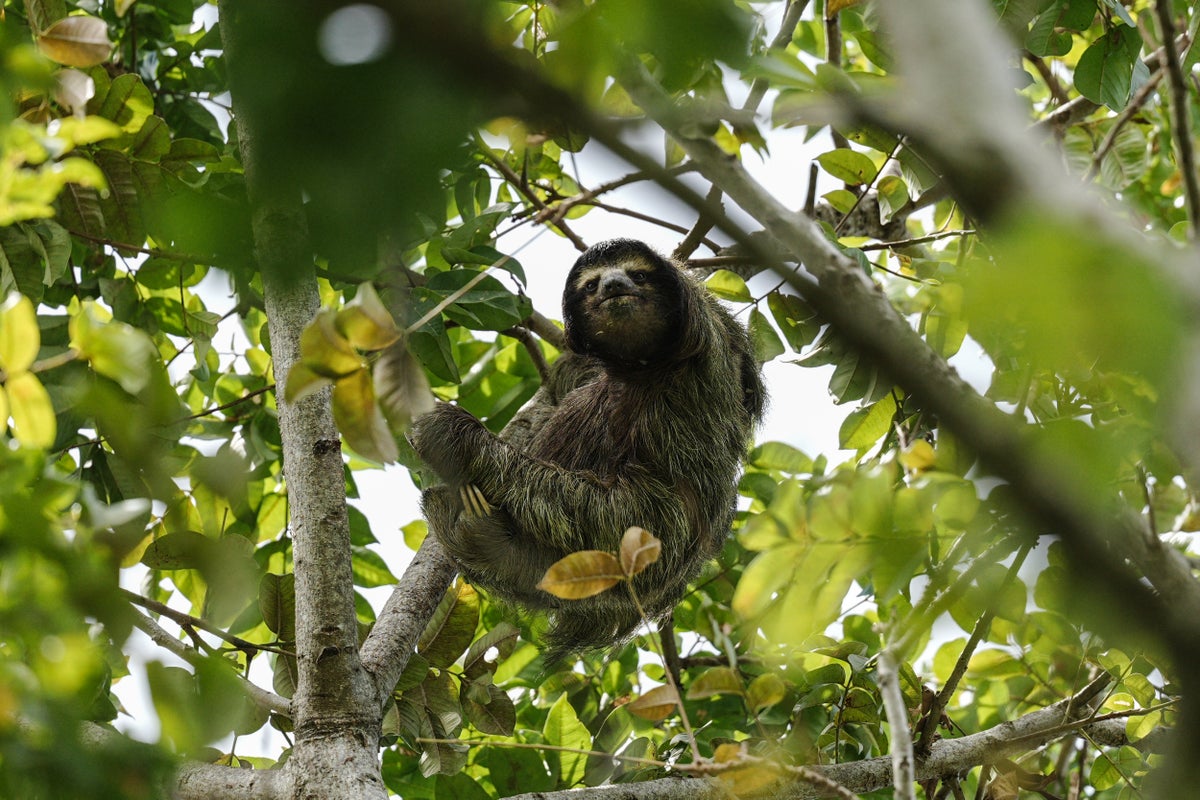
A break in the forest canopy of only 2 or 3 meters (about 7 to 10 feet) can force a sloth to come down from the trees and find another way across.

The slow-moving mammals cannot jump between trees in the way monkeys do. Once on the ground, they risk being attacked by dogs, struck by vehicles or electrocuted on power lines.

To give them safe passage through the treetops, the Sloth Conservation Foundation has installed approximately 410 rope bridges, often across areas divided by roads and buildings.

Behind a beachfront hotel on Costa Rica's Caribbean coast, conservationists are installing rope bridges between trees, creating pathways for sloths in a landscape increasingly shared with tourists, hotels and other development.

“The wildlife bridges that we install are just made from single ropes, which don’t look very elaborate, but for arboreal species, they work,” said Rebecca Cliffe, a British zoologist who founded the organization and has spent nearly two decades studying sloths. “It is a lifeline to cross a gap that they otherwise couldn’t cross.”

Costa Rica has been celebrated for reversing decades of deforestation.

In brief

Want to bookmark your favourite articles and stories to read or reference later? To give them safe passage through the treetops, the Sloth Conservation Foundation has installed approximately 410 rope bridges, often across areas divided by roads and buildings. Behind a beachfront hotel on Costa Rica's Caribbean coast, conservationists are installing rope bridges between trees, creating pathways for sloths in a landscape increasingly shared with tourists, hotels and other development.

This is the opening of the story, shared with credit to The Independent — World. The rest of the report — with every detail — continues on the publisher’s website.

Continue reading at The Independent — World ↗

Cookie settings

Choose which cookies we may use. You can change this at any time from Cookie settings in the footer. Details of each cookie are in the Cookie Policy.

Strictly necessary

Needed for sign-in, security, payments and remembering these choices. Always on.

Preferences

Remember settings such as dark mode.

Analytics & performance

Help us count visits, understand which pages, devices and countries our readers use, and measure how well the site performs – anonymous and aggregated.

Advertising & marketing

Lets advertising partners show and personalise adverts, measure impressions, clicks and visits, prevent ad fraud and pay us – this is how the free site is funded.

🔔 News notifications

Get headlines from NewsHub on this device — even when the site is closed.

You can switch this off at any time. Works on Android, Windows, Mac and Linux browsers; on iPhone/iPad add the site to your Home Screen first.