Cancer researchers have been calling the chemotherapy drug paclitaxel, better known as Taxol, their “holy grail” for years—in no small measure due to its effectiveness and natural origin in the bark of the Pacific yew tree (Taxus brevifolia). But due to the tree’s slow and steady growth, Taxol now ranks high among the world’s most expensive active pharmaceutical ingredients, costing (as of 2025) over $9,000 USD per pound ($20,000 USD per kilogram).
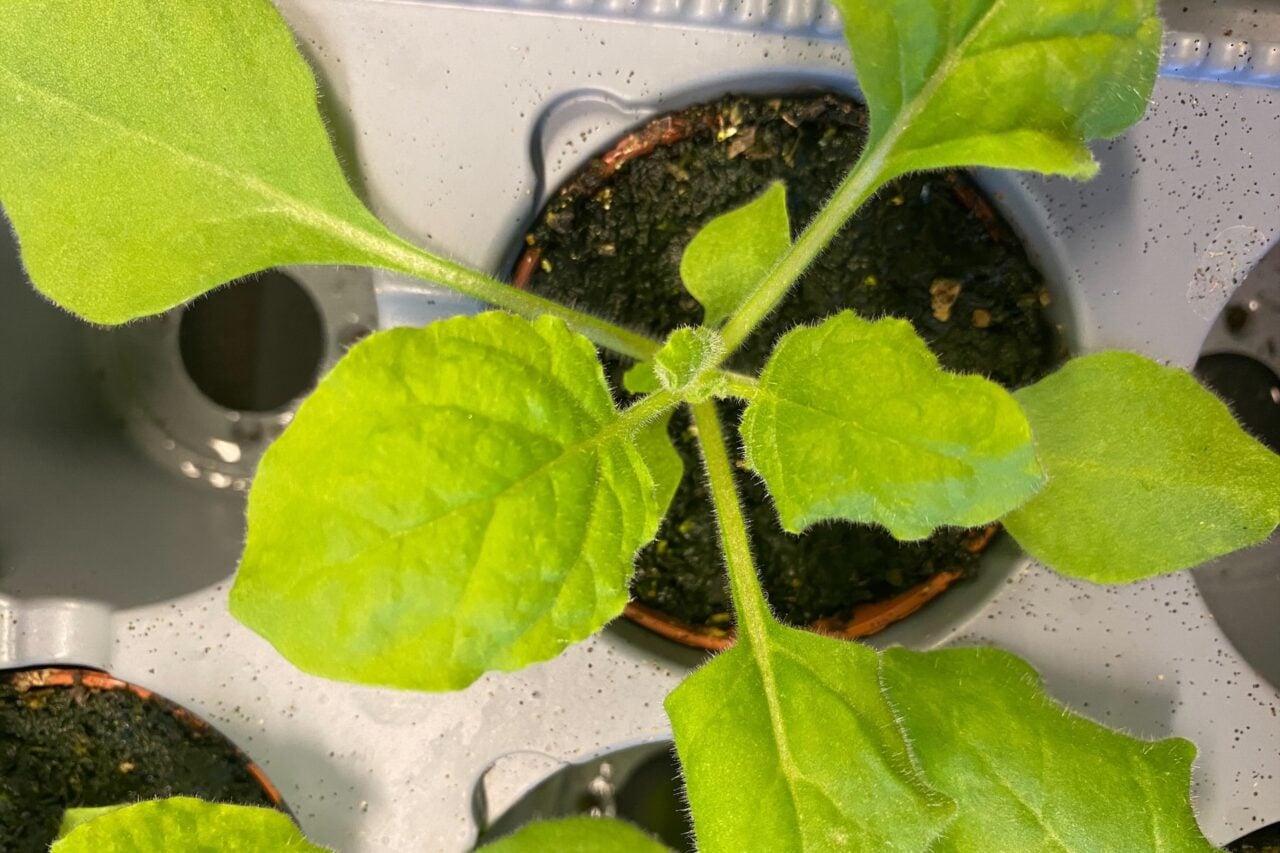
If you can believe it, that sticker price is actually a steep discount from the drug’s $272,160 per pound ($600,000-per-kg) cost over a decade ago, thanks to new biochemical synthesis pathways developed to work around the fact that yew trees take about 70 to 100 years to mature. But biochemical engineers at the University of Copenhagen now report that they have isolated the genes responsible for Taxol’s production, introducing them into perhaps the most unlikely plant species ever to be associated with a life-saving cancer medication: the tobacco plant Nicotiana benthamiana.
“We introduced more than 20 of the yew tree genes into tobacco plants to demonstrate the entire biological process of Taxol production step by step,” as Zhen Fan, a postdoctoral researcher at the university’s Department of Plant and Environmental Sciences, explained in a statement.