A 23-year-old Indian-origin entrepreneur who left Stanford University, joined OpenAI and later founded an artificial intelligence startup has struck a $4.5-billion acquisition deal barely 18 months after launching his company. Yash Patil, co-founder and chief executive of Applied Compute, has agreed to sell the startup to cybersecurity giant Palo Alto Networks in an all-stock transaction valued at $4.5 billion (around Rs 40,000 crore). The deal values the company at roughly $250 million for every month since it was founded.Patil founded Applied Compute in May 2025 with fellow former OpenAI employees Rhythm Garg and Linden Li. The startup helps companies customize, train and deploy artificial intelligence models using their own data, allowing businesses to build AI systems tailored to their needs rather than relying entirely on third-party models.The acquisition is expected to be completed in the third quarter of Palo Alto Networks' fiscal 2027, subject to regulatory approvals and other customary closing conditions.Following the acquisition, Patil is expected to become co-chief AI officer at Palo Alto Networks, alongside the Applied Compute team.From Stanford to OpenAIPatil grew up in Austin, Texas, in a family of Indian immigrants. He attended the Liberal Arts and Science Academy before studying computer science at Stanford University.
Meet Yash Patil, Indian-origin entrepreneur who took leave from Stanford to work with Open AI, founded his own startup and then sold it for $4.5 billion
In brief
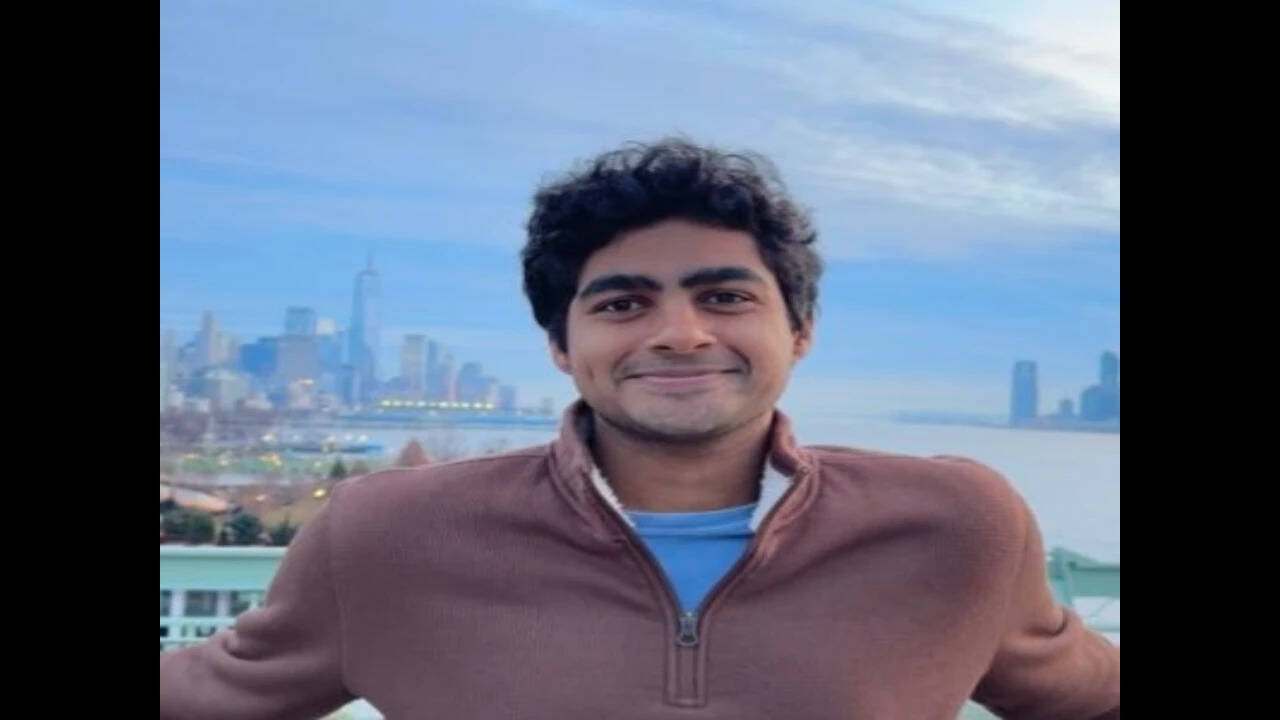
A 23-year-old Indian-origin entrepreneur who left Stanford University, joined OpenAI and later founded an artificial intelligence startup has struck a $4.5-billion acquisition deal barely 18 months after launching his company. Yash Patil, co-founder and chief executive of Applied Compute, has agreed to sell the startup to cybersecurity giant Palo Alto Networks in an all-stock transaction valued at $4.5 billion (around Rs 40,000 crore).
This is the opening of the story, shared with credit to The Times of India — World. The rest of the report — with every detail — continues on the publisher’s website.
Continue reading at The Times of India — World ↗