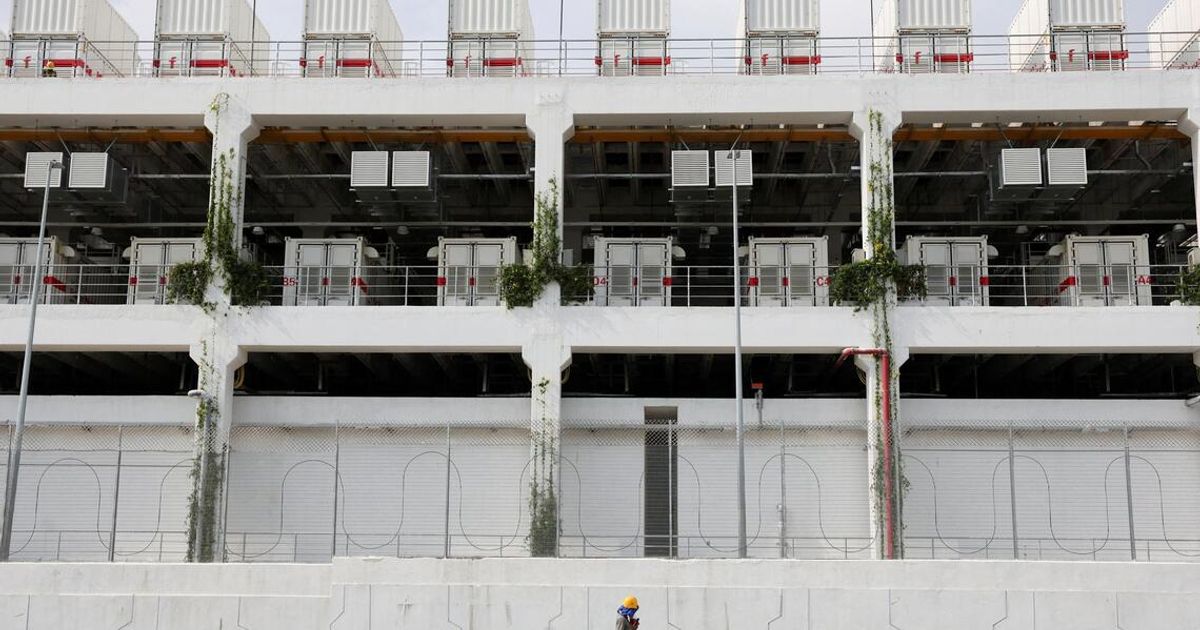
JOHOR BAHRU – In October, project manager Jack (not his real name) quit his job at a China-linked AI computing firm with a data centre in Johor after a successful run.
But when the US restricted advanced semiconductor exports without a licence to curb Chinese access via the region, it gave him even more reason to reflect on his exit.
“Whoa! I saw the news, I’m glad I left already,” he told The Straits Times when contacted over the phone in November.
He conceded that his decision was personal and unrelated to the events, but added that he may now need to change industries following the restriction.
The episode illustrated how sentiment has quickly soured in a sector where Malaysia had placed a major bet, attracting billions of ringgit in investments to build its digital economy and AI capabilities.
Fresh US export curbs may now hamper its ambitions to become a regional data centre hub, particularly for facilities relying on AI demand from Chinese firms.
Barred from importing advanced chips directly since 2022, Chinese companies had reportedly turned to South-east Asia to lease computing power from data centres where such hardware could legally operate – a loophole Washington is now moving to close.
On Nov 24, the US extended its export restriction by adding Singapore-based Megaspeed International and six related…