📰 Newspapers

Fungal Infections Are Getting Deadlier for Americans—and No One Really Knows Why

Fungal Infections Are Getting Deadlier for Americans—and No One Really Knows Why

The fungal death rate increased during the covid-19 pandemic and it still hasn't let up, new research shows.

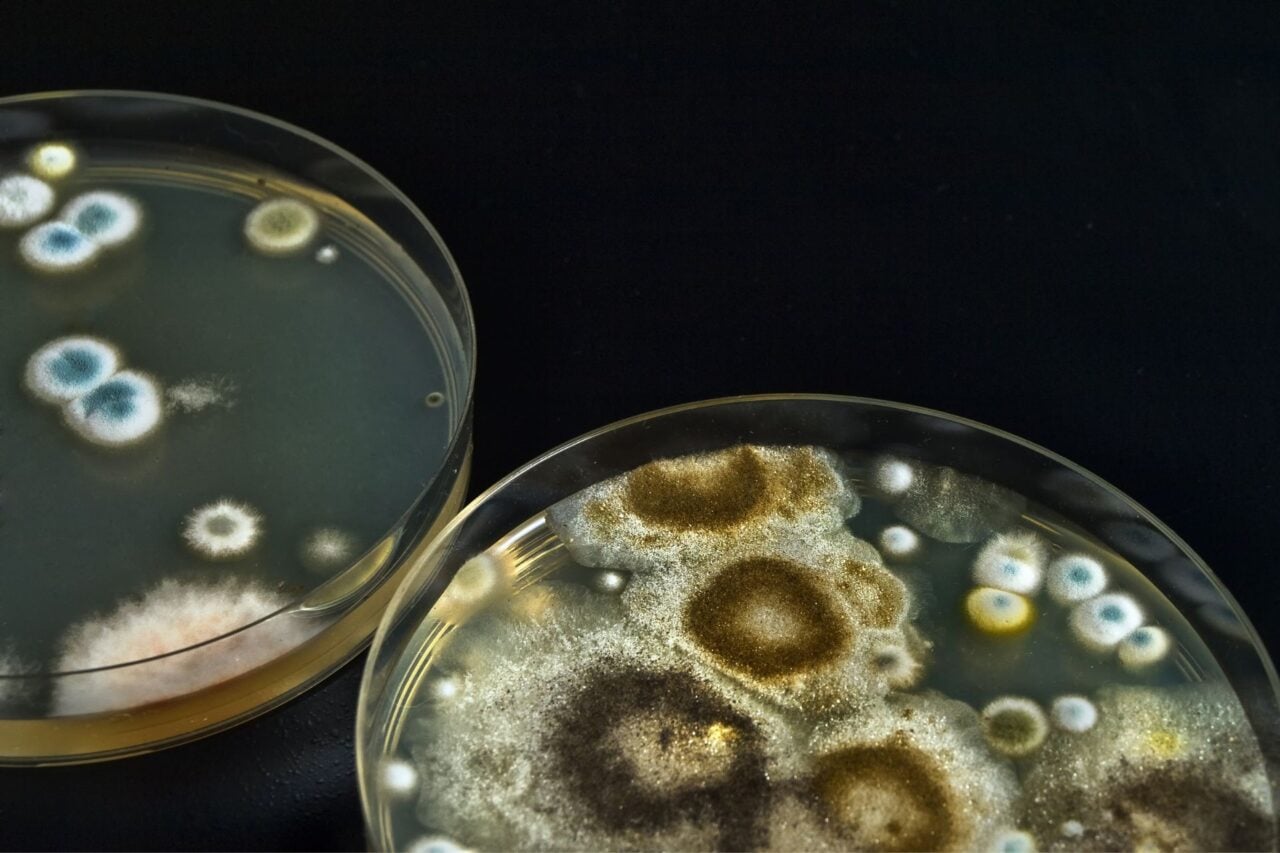
The Last of Us and its fungal apocalypse might be science fiction, but real life fungi are definitely becoming more of a threat, recent research shows.

Scientists at Emory University and the Centers for Disease Control and Prevention examined mortality data in the United States. Deaths caused by fungal infections have risen and remained high over the past several years, they found, even after the effects of the covid-19 pandemic had largely waned. More work is needed to understand why these infections are still killing more Americans than before, the researchers said.

“Fungal mortality remained elevated after the covid-19 pandemic peak despite declines in covid-19–associated fungal deaths,” they wrote in their paper, published earlier this month in the journal Public Health Reports.

Most infections are caused by viruses and bacteria, not fungi. Though fungi can live on our skin, our bodies tend to be more inhospitable for them. Many species can’t tolerate the hotter internal temperatures, and our immune systems are typically well-equipped to keep them in check. But this trend has started to change and not for the better.

Research has already shown that fungal infections have generally increased since the 2010s, and the covid-19 pandemic only added more fuel to the fire. Severe covid-19 cases can devastate people’s immune systems, while large-scale outbreaks can potentially overwhelm local hospitals.…

In brief

The Last of Us and its fungal apocalypse might be science fiction, but real life fungi are definitely becoming more of a threat, recent research shows. “Fungal mortality remained elevated after the covid-19 pandemic peak despite declines in covid-19–associated fungal deaths,” they wrote in their paper, published earlier this month in the journal Public Health Reports.

This is the opening of the story, shared with credit to Gizmodo. The rest of the report — with every detail — continues on the publisher’s website.

Continue reading at Gizmodo ↗

Cookie settings

Choose which cookies we may use. You can change this at any time from Cookie settings in the footer. Details of each cookie are in the Cookie Policy.

Strictly necessary

Needed for sign-in, security, payments and remembering these choices. Always on.

Preferences

Remember settings such as dark mode.

Analytics & performance

Help us count visits, understand which pages, devices and countries our readers use, and measure how well the site performs – anonymous and aggregated.

Advertising & marketing

Lets advertising partners show and personalise adverts, measure impressions, clicks and visits, prevent ad fraud and pay us – this is how the free site is funded.

🔔 News notifications

Get headlines from NewsHub on this device — even when the site is closed.

You can switch this off at any time. Works on Android, Windows, Mac and Linux browsers; on iPhone/iPad add the site to your Home Screen first.