Low vitamin D in the summertime may be a bigger red flag for your health than in the winter months, a new study has found.Vitamin D helps the body regulate calcium and phosphate in the body, keeping our bones, teeth and muscles healthy. Most of it comes from sunlight, while people can also get some vitamin D from foods such as oily fish, eggs and some mushrooms. Millions of Europeans also take vitamin D supplements, though randomised trials have largely failed to show that routine supplementation improves health or boosts longevity.Researchers from Uppsala University in Sweden wondered if seasonal swings in vitamin D levels might help explain why. In Europe and much of the Northern Hemisphere, people build up stores of vitamin D in their fat during the sunny summer months, and they may draw on those reserves as their vitamin D levels naturally fall in the darker winter months.“We need to better understand who truly needs vitamin D supplementation,” the researchers wrote.To find out, the researchers analysed vitamin D levels in the blood of more than 12,000 older people in Sweden. They split participants into groups based on whether their blood was drawn in summer, from July to September, or in winter, from January to March.People with low vitamin D levels in summer were more likely to fracture a…
Summer vitamin D levels may say more about your health than winter levels, study finds
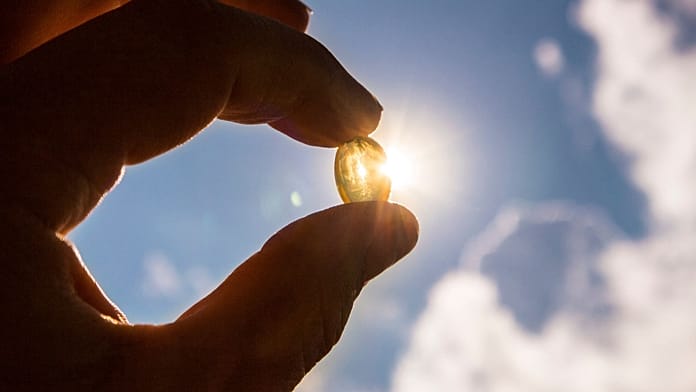
A Swedish research team set out to identify who could benefit most from taking vitamin D supplements.
In brief
Low vitamin D in the summertime may be a bigger red flag for your health than in the winter months, a new study has found.Vitamin D helps the body regulate calcium and phosphate in the body, keeping our bones, teeth and muscles healthy. Millions of Europeans also take vitamin D supplements, though randomised trials have largely failed to show that routine supplementation improves health or boosts longevity.Researchers from Uppsala University in Sweden wondered if seasonal swings in vitamin D levels might help explain why.
This is the opening of the story, shared with credit to Euronews. The rest of the report — with every detail — continues on the publisher’s website.
Continue reading at Euronews ↗