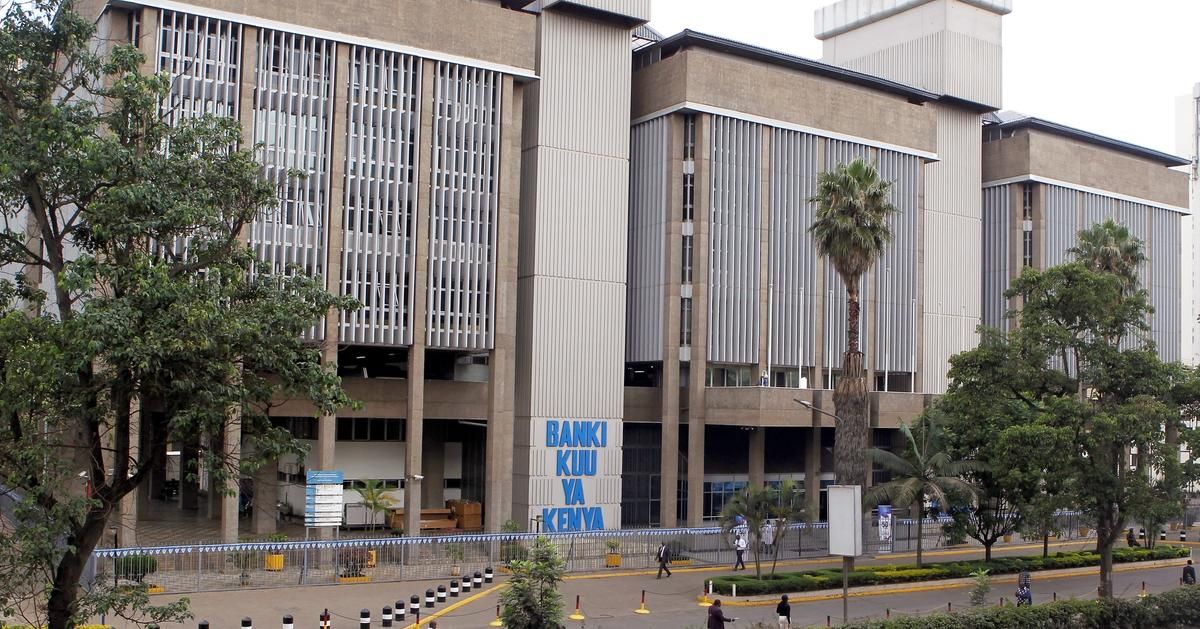
The Central Bank of Kenya (CBK) wants its economists and other staff to develop the skills needed to use artificial intelligence in analysing the economy, as the institution explores new ways to interpret data and improve its forecasts.
Governor Kamau Thugge said on November 24 that integrating artificial intelligence (AI) and machine learning into the bank's work would strengthen its ability to assess economic trends and support evidence-based policy decisions. He said the programme would equip employees with tools and skills to handle complex economic challenges while keeping pace with developments in economic analysis and global best practice.
The announcement adds a staff-development dimension to a programme that CBK has been building across its departments. In October, Director of Research Robert Mudida disclosed that the bank had identified nearly 300 potential AI applications across 14 departments, with some already being implemented.
The scale of those proposed applications points to a change in the analytical work expected of central bank staff. Machine learning can process large datasets and identify patterns that conventional statistical methods may take longer to detect. Its usefulness, however, depends on whether researchers can assess the quality of the data, interpret the results and understand where automated analysis may produce unreliable conclusions.