Chinese carmaker BYD has chosen Moselle to speed up its expansion in Western Europe. The group announced (source in French) that it has entered into exclusive negotiations with Ineos Automotive to buy its plant in Hambach, near the German border.The site, opened in the late 1990s to manufacture small Smart cars, has belonged to British group Ineos since 2020. It currently assembles its Grenadier 4x4 there. The deal still depends on consultation with employee representatives.A French plant to get around trade barriersHaving become in 2025 the world’s largest manufacturer of electric cars, ahead of Tesla, BYD sold 4.6 million vehicles last year, all powertrains combined. The group is now pushing ahead with its expansion outside China, with one goal: producing as close as possible to its European customers.An industrial foothold on the continent would in particular help it limit the impact of European customs duties on electric vehicles imported from China. It could also make it easier to comply with future "Made in Europe" rules, which favour vehicles that include a high share of locally manufactured components.BYD says it wants to offer European drivers models built in France. Its executive vice-president, Stella Li, says the group intends to secure Hambach’s long-term future, protect local jobs and create new opportunities for staff and suppliers in the region.The announcement was welcomed by…
BYD plans car production in France to boost its push into the European market
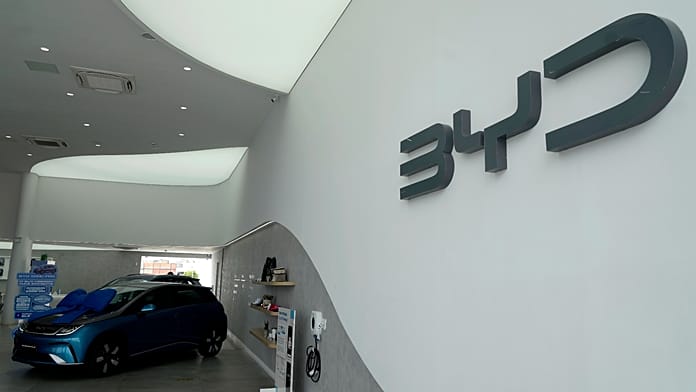
BYD has entered exclusive talks to buy Ineos Automotive's Hambach plant in Moselle. The deal could let the top electric carmaker build in France and boost its European presence.
In brief
Chinese carmaker BYD has chosen Moselle to speed up its expansion in Western Europe. The group is now pushing ahead with its expansion outside China, with one goal: producing as close as possible to its European customers.An industrial foothold on the continent would in particular help it limit the impact of European customs duties on electric vehicles imported from China.
This is the opening of the story, shared with credit to Euronews. The rest of the report — with every detail — continues on the publisher’s website.
Continue reading at Euronews ↗