Millions of British households will pay around £443 (€527) more a year for energy from January, after UK regulator Ofgem raised its price cap by 26%, blaming the war in the Middle East.The typical annual bill will rise to about £2,166 (€2,578) under the new cap. Ofgem sets the cap every quarter, and it limits what suppliers can charge for gas and electricity.About 20 million households on standard variable tariffs will feel the rise. Another 10 million on fixed-rate deals won't be affected until their contracts end."Conflict in the Middle East continues to drive energy costs higher, and we know this price increase will be a worry for many households as winter approaches," said Neil Kenward, Ofgem's director general for markets.The US-Iran war broke out on 28 February and has sharply reduced tanker traffic through the Strait of Hormuz, pushing up oil and gas prices. European natural gas, measured by the Dutch TTF futures contract, has climbed by around 190% since then, from about €32 to €92 per megawatt-hour.How UK bills compare with EuropeFrom January, British households will pay around 70% more for electricity than the average household in the EU.Once standing charges are included, a typical British household will pay about €48.40 per 100 kWh, based on XE's exchange rate of £1 = €1.19. The EU average was €28.30…
British households' energy bills to rise to 70% above EU average as energy price cap rises 26%
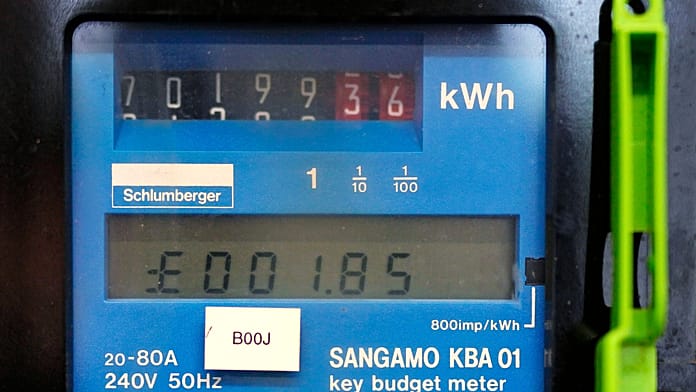
Talks to give Britain access to the EU's electricity market are under way, but Germany, Belgium and the Netherlands are among those insisting London pays in first.
In brief
Millions of British households will pay around £443 (€527) more a year for energy from January, after UK regulator Ofgem raised its price cap by 26%, blaming the war in the Middle East.The typical annual bill will rise to about £2,166 (€2,578) under the new cap. Ofgem sets the cap every quarter, and it limits what suppliers can charge for gas and electricity.About 20 million households on standard variable tariffs will feel the rise.
This is the opening of the story, shared with credit to Euronews. The rest of the report — with every detail — continues on the publisher’s website.
Continue reading at Euronews ↗