📰 Newspapers

Mosquito nets save lives only when we use them

Mosquito nets save lives only when we use them

The ongoing distribution of 10.8 million insecticide-treated mosquito nets across 18 malaria-endemic counties offers an opportunity to renew the conversation on malaria prevention and control

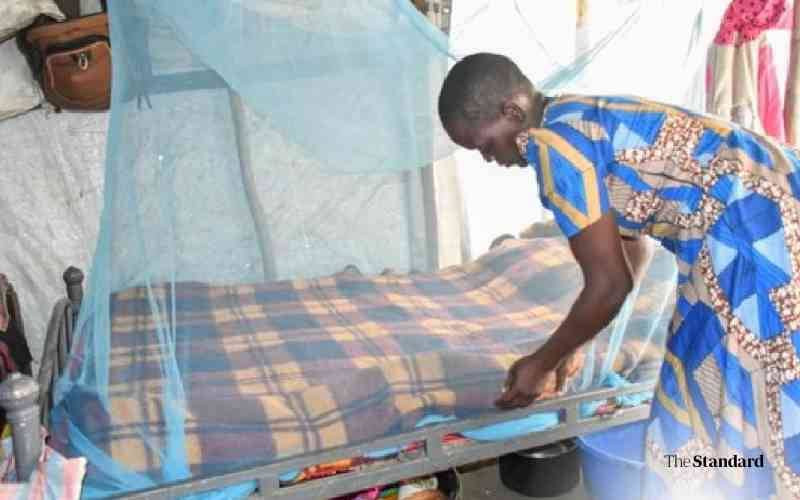
For many families living in malaria-endemic regions, a child developing a fever in the middle of the night is a familiar and worrying experience. What follows may be an unexpected visit to a health facility, missed school days, lost working hours and additional household expenditure. Yet many of these experiences can be prevented through a simple but effective practice: sleeping under an insecticide-treated mosquito net every night.

As a country, we have invested considerably in malaria prevention and control. However, one of the most important conversations we need to have is about our attitudes towards prevention and the choices we make in our homes.

The ongoing distribution of nearly 10.8 million insecticide-treated mosquito nets across 18 malaria-endemic counties offers an opportunity to renew this conversation. While the campaign seeks to expand access to mosquito nets, its ultimate objective is to prevent infections, protect vulnerable populations and save lives.

Malaria remains a serious public health concern despite being preventable and treatable. In 2024, there were an estimated 282 million malaria cases and 610,000 malaria deaths globally. The WHO African Region accounted for 94 per cent of cases and 95 per cent of deaths. These figures are a stark reminder that we cannot afford to relax our prevention efforts.

In brief

For many families living in malaria-endemic regions, a child developing a fever in the middle of the night is a familiar and worrying experience. The ongoing distribution of nearly 10.8 million insecticide-treated mosquito nets across 18 malaria-endemic counties offers an opportunity to renew this conversation. Malaria remains a serious public health concern despite being preventable and treatable.

This is the opening of the story, shared with credit to The Standard — Opinion. The rest of the report — with every detail — continues on the publisher’s website.

Continue reading at The Standard — Opinion ↗

Cookie settings

Choose which cookies we may use. You can change this at any time from Cookie settings in the footer. Details of each cookie are in the Cookie Policy.

Strictly necessary

Needed for sign-in, security, payments and remembering these choices. Always on.

Preferences

Remember settings such as dark mode.

Analytics & performance

Help us count visits, understand which pages, devices and countries our readers use, and measure how well the site performs – anonymous and aggregated.

Advertising & marketing

Lets advertising partners show and personalise adverts, measure impressions, clicks and visits, prevent ad fraud and pay us – this is how the free site is funded.

🔔 News notifications

Get headlines from NewsHub on this device — even when the site is closed.

You can switch this off at any time. Works on Android, Windows, Mac and Linux browsers; on iPhone/iPad add the site to your Home Screen first.