📰 Newspapers

The loss and damage fund exists, but the money doesn't

The loss and damage fund exists, but the money doesn't

Climate-vulnerable countries fought for years to create a loss and damage fund. Four years on, demand far outstrips funding, pledges are scarce, and disaster-hit nations are still waiting for support.

On the sandbars and river islands of Bangladesh's Brahmaputra and its branches, families have little to fall back on when the water rises.

"The floodwater swallows everything," said 16-year-old Rasel Babu who had traveled to Antalya, Turkey to speak to delegates at the UN climate conference.

Created after years of pressure from vulnerable nations, the loss and damage fund was designed to help countries recover from climate disasters and irreversible climate impacts. This includes extreme weather events such as floods, heat waves and wildfires as well as slow onset impacts such as sea level rise, desertification and damage to infrastructure and crops.

But the fund is already struggling to meet demand. It received $2.8 billion (€2.56 billion) in urgent requests in a first call for funding, with only $342 million available at the time.

Even the money promised has not fully arrived. Only about half of the money currently pledged had been received by this summer.

While the European Commission signed a €25 million contribution agreement to the fund on the margins of COP31, formalizing an earlier pledge made at COP28, and Spain pledged an additional €15 million, other contributions to loss and damage remained scarce.

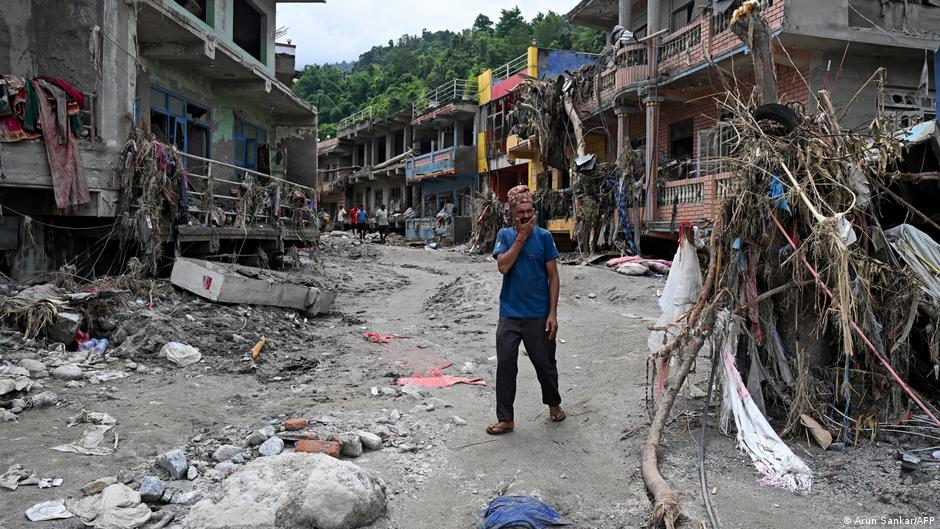
The fund's first emergency response is going to be paid out to Nepal.

In brief

On the sandbars and river islands of Bangladesh's Brahmaputra and its branches, families have little to fall back on when the water rises. Created after years of pressure from vulnerable nations, the loss and damage fund was designed to help countries recover from climate disasters and irreversible climate impacts. But the fund is already struggling to meet demand.

This is the opening of the story, shared with credit to DW — Top stories. The rest of the report — with every detail — continues on the publisher’s website.

Continue reading at DW — Top stories ↗

Cookie settings

Choose which cookies we may use. You can change this at any time from Cookie settings in the footer. Details of each cookie are in the Cookie Policy.

Strictly necessary

Needed for sign-in, security, payments and remembering these choices. Always on.

Preferences

Remember settings such as dark mode.

Analytics & performance

Help us count visits, understand which pages, devices and countries our readers use, and measure how well the site performs – anonymous and aggregated.

Advertising & marketing

Lets advertising partners show and personalise adverts, measure impressions, clicks and visits, prevent ad fraud and pay us – this is how the free site is funded.

🔔 News notifications

Get headlines from NewsHub on this device — even when the site is closed.

You can switch this off at any time. Works on Android, Windows, Mac and Linux browsers; on iPhone/iPad add the site to your Home Screen first.