Kenya could be forced to borrow more money to finance its operations in the 2027/2028 financial year, with projected government expenditure exceeding expected revenue by more than Ksh 1.35 trillion.
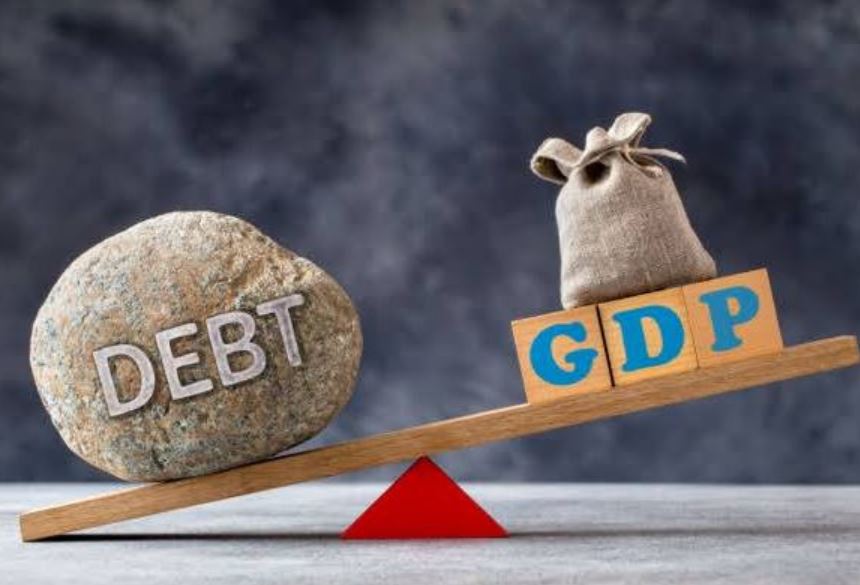
The widening financing gap could push public debt to approximately 71 per cent of the country’s Gross Domestic Product (GDP), adding to concerns about the government’s ability to meet its financial obligations while funding essential services.
The Institute of Public Finance (IPF) raised the concerns in its Annual National Shadow Budget for 2027/2028, which was launched in Upper Hill, Nairobi, on Wednesday, November 25, 2026.
According to the assessment, the government plans to spend Ksh5.415 trillion during the financial year but expects to collect only Ksh 4.003 trillion in revenue.
This leaves a deficit of Ksh 1.352 trillion that must be financed through borrowing and other funding sources.
IPF estimates that domestic borrowing will account for 69 per cent of the deficit, meaning the government will depend heavily on loans from local financial institutions and investors to meet its obligations.
The report also projects that interest payments will consume 45 per cent of ordinary government revenue.
This allocation highlights the growing cost of public debt, with a substantial share of government collections going towards interest rather than new programmes and public services.