📰 Newspapers

Thailand, Myanmar agree to monitor border rivers amid pollution fears

Thailand, Myanmar agree to monitor border rivers amid pollution fears

Tests found arsenic and other metals in the Kok, Sai, Ruak and Mekong rivers.

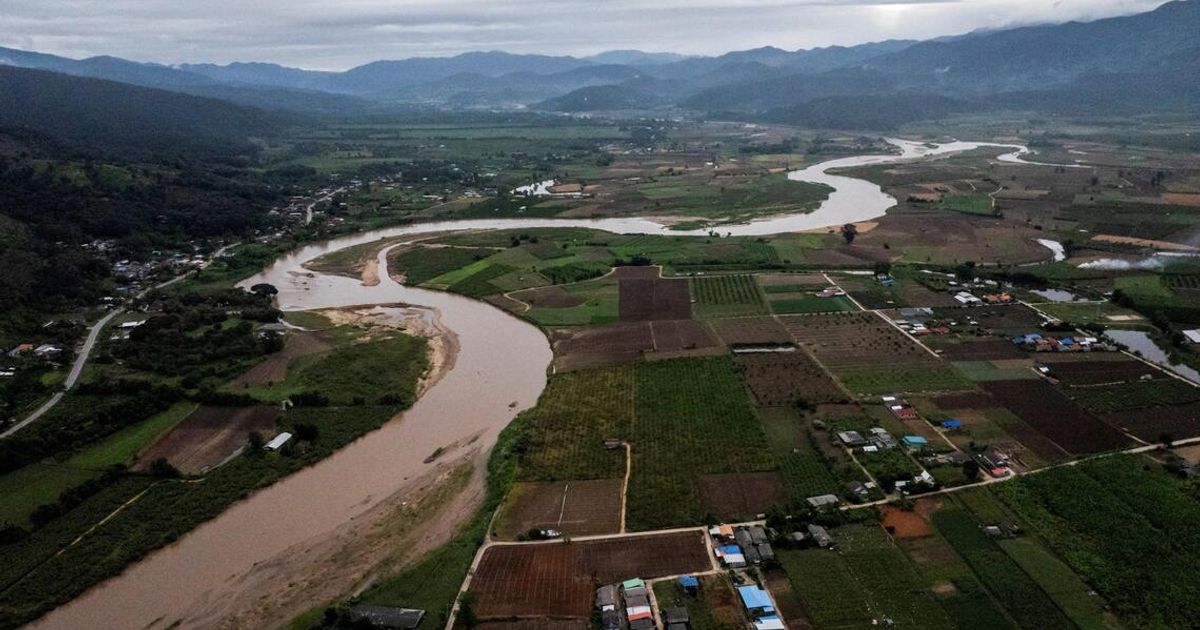
BANGKOK – Thailand and Myanmar have agreed to establish six water-quality monitoring stations to investigate heavy-metal contamination in rivers along their shared border, Thai officials said on Nov 25, as concern over pollution grows in northern Thailand.

A rash of mining activity in Myanmar, primarily to extract gold and rare earths, has led to the release of toxic chemicals into rivers flowing into Thailand, potentially contaminating water sources for communities, Reuters has reported.

More than 2,400 mines – many of them illegal and unregulated – across mainland South-east Asia could be releasing deadly chemicals such as cyanide and mercury into river water, according to the US-based Stimson Centre think tank.

Thailand’s Pollution Control Department said tests from March to September 2025 detected arsenic and other heavy metals in water and sediment samples collected from the Kok River and its tributaries, as well as the Sai, Ruak and Mekong Rivers. The Kok flows from Myanmar’s Shan State into Thailand’s Chiang Rai province, while the Sai and Ruak form parts of the border.

At the first meeting of a Thai-Myanmar working group set up to tackle the pollution, both sides agreed to install four monitoring stations along the Kok River and two along the Sai River, according to a Thai government statement.

In brief

BANGKOK – Thailand and Myanmar have agreed to establish six water-quality monitoring stations to investigate heavy-metal contamination in rivers along their shared border, Thai officials said on Nov 25, as concern over pollution grows in northern Thailand. At the first meeting of a Thai-Myanmar working group set up to tackle the pollution, both sides agreed to install four monitoring stations along the Kok River and two along the Sai River, according to a Thai government statement.

This is the opening of the story, shared with credit to The Straits Times — Asia. The rest of the report — with every detail — continues on the publisher’s website.

Continue reading at The Straits Times — Asia ↗

Cookie settings

Choose which cookies we may use. You can change this at any time from Cookie settings in the footer. Details of each cookie are in the Cookie Policy.

Strictly necessary

Needed for sign-in, security, payments and remembering these choices. Always on.

Preferences

Remember settings such as dark mode.

Analytics & performance

Help us count visits, understand which pages, devices and countries our readers use, and measure how well the site performs – anonymous and aggregated.

Advertising & marketing

Lets advertising partners show and personalise adverts, measure impressions, clicks and visits, prevent ad fraud and pay us – this is how the free site is funded.

🔔 News notifications

Get headlines from NewsHub on this device — even when the site is closed.

You can switch this off at any time. Works on Android, Windows, Mac and Linux browsers; on iPhone/iPad add the site to your Home Screen first.