📰 Newspapers

GCC economies show resilience amid conflict disruption: PwC

GCC economies show resilience amid conflict disruption: PwC

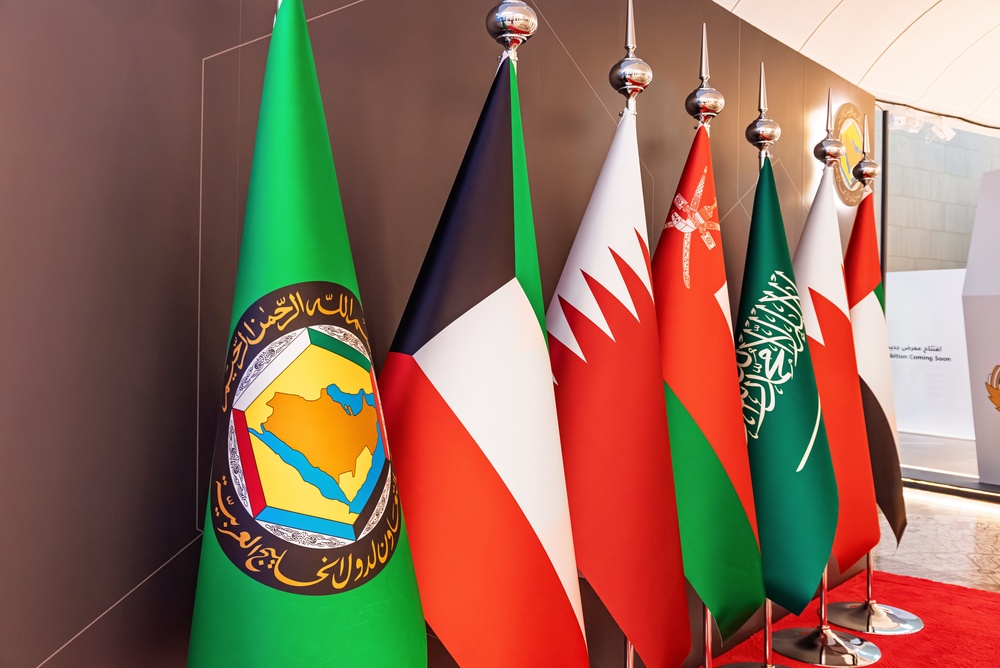
RIYADH: Gulf Cooperation Council economies have shown considerable resilience in adapting to disruption caused by the Middle East conflict, with businesses diversifying supply routes and maintaining operations despite an uneven recovery across countries and sectors, according to PwC Middle East.

The consultancy’s latest Middle East Economy Watch said government financial reserves, continued access to international capital markets and well-capitalized banks had helped sustain activity and ease immediate financing pressures.

Non-oil business surveys indicated renewed expansion across several markets in the third quarter, particularly in services supported by domestic demand.

The International Monetary Fund’s October projections, cited by PwC, put GCC economic growth at 9.1 percent in 2027, following a forecast contraction of 4.8 percent in 2026. Non-oil gross domestic product is forecast to grow by approximately 4.5 percent next year.

“The outlook for 2027 points to a significant recovery, although much will depend on the pace at which shipping and production are restored,” said Richard Boxshall, PwC’s global economics leader and Middle East chief economist.

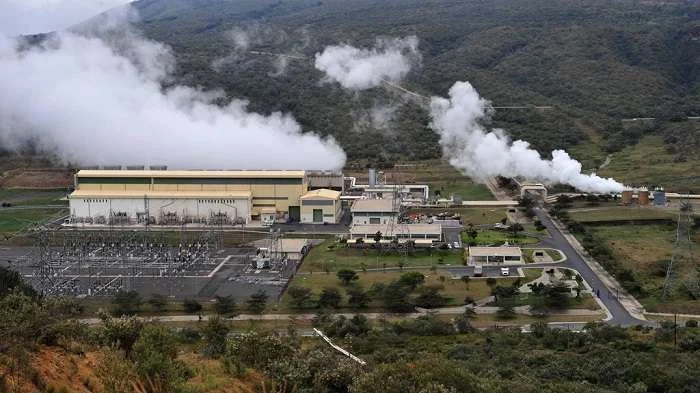
The initial disruption was concentrated in energy. GCC crude oil production fell by roughly 40 percent between February and April, according to the report.

Production and exports have subsequently begun recovering, although progress varies according to producers’ access to alternative export routes.


In brief

RIYADH: Gulf Cooperation Council economies have shown considerable resilience in adapting to disruption caused by the Middle East conflict, with businesses diversifying supply routes and maintaining operations despite an uneven recovery across countries and sectors, according to PwC Middle East. Production and exports have subsequently begun recovering, although progress varies according to producers’ access to alternative export routes.
This is the opening of the story, shared with credit to Arab News. The rest of the report — with every detail — continues on the publisher’s website.

Continue reading at Arab News ↗

Cookie settings

Choose which cookies we may use. You can change this at any time from Cookie settings in the footer. Details of each cookie are in the Cookie Policy.

Strictly necessary

Needed for sign-in, security, payments and remembering these choices. Always on.

Preferences

Remember settings such as dark mode.

Analytics & performance

Help us count visits, understand which pages, devices and countries our readers use, and measure how well the site performs – anonymous and aggregated.

Advertising & marketing

Lets advertising partners show and personalise adverts, measure impressions, clicks and visits, prevent ad fraud and pay us – this is how the free site is funded.

🔔 News notifications

Get headlines from NewsHub on this device — even when the site is closed.

You can switch this off at any time. Works on Android, Windows, Mac and Linux browsers; on iPhone/iPad add the site to your Home Screen first.