📰 Newspapers

Wave 360 Africa: Behind the scenes of Bamburi Cement plant groundbreaking

Wave 360 Africa: Behind the scenes of Bamburi Cement plant groundbreaking

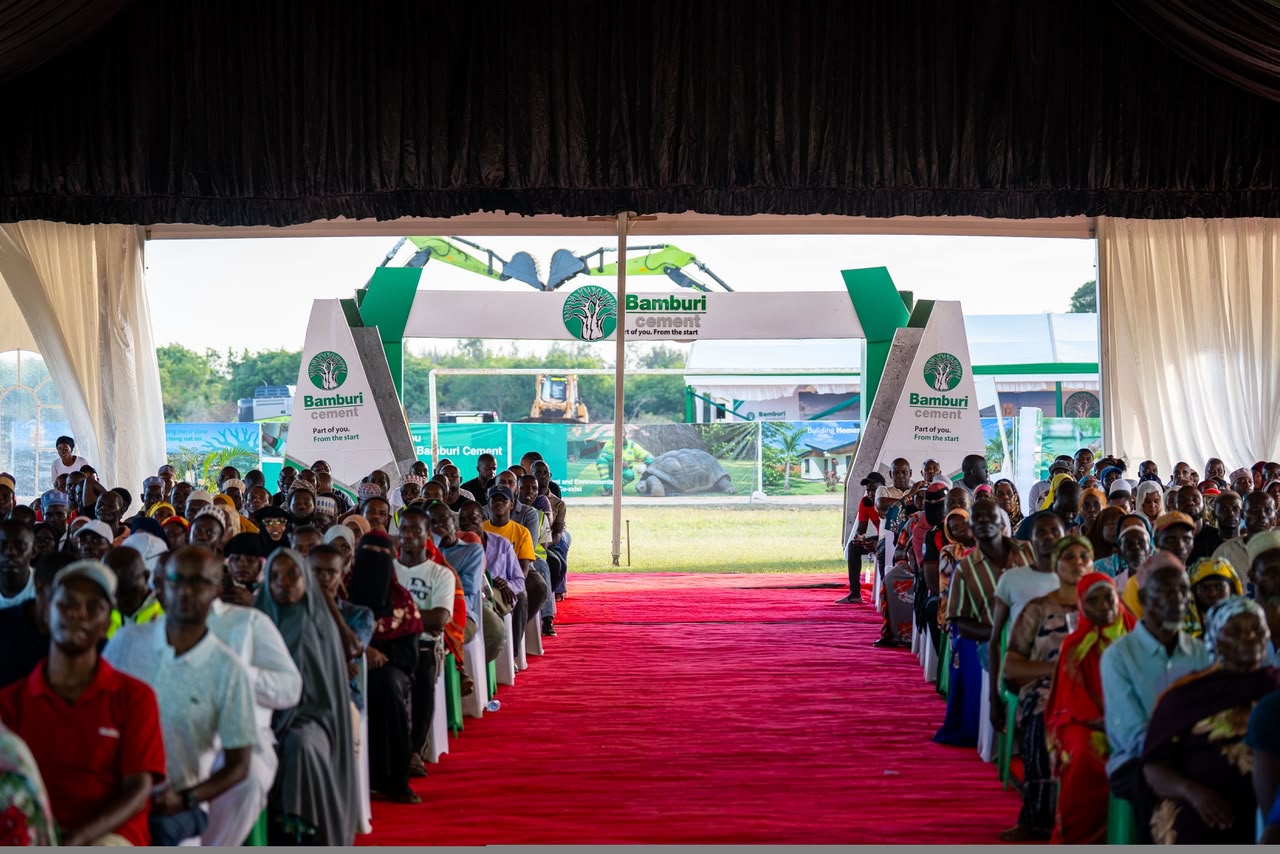
Long before President William Ruto broke ground for Bamburi Cement’s new clinker plant in Matuga, Kwale County, on Tuesday, November 24, preparations were underway to coordinate the ceremony that brought together government officials, business executives and regional leaders.

Wave 360 Africa handled the event production, overseeing the infrastructure, branding, protocol and on-ground operations for the ceremony, which marked the start of a Ksh250 million industrial investment.

The new plant is expected to increase Bamburi Cement’s annual clinker production capacity from 1 million to 2.6 million tonnes, while cement production capacity is projected to rise from 1.8 million to 4 million tonnes once operational.

The ceremony brought together Cabinet Secretaries Hassan Joho and Salim Mvurya, Senate Speaker Amason Kingi, Kwale Governor Fatuma Achani, Amsons Group Managing Director Edha Nahdi and Bamburi Cement Board Chairman Dr John Simba.

Speaking at the event, Nahdi described the investment as a long-term commitment to Kenya’s economy and the expansion of local manufacturing.

The project is also expected to create more than 10,000 direct and indirect jobs, with opportunities in logistics, quarrying and equipment maintenance.

For communities in Matuga, the investment also raises questions about their participation in the industrial development taking place in their county.

Governor Achani urged the company to involve local residents and businesses in the project, while Dr Simba pointed to support…


In brief

Long before President William Ruto broke ground for Bamburi Cement’s new clinker plant in Matuga, Kwale County, on Tuesday, November 24, preparations were underway to coordinate the ceremony that brought together government officials, business executives and regional leaders. The new plant is expected to increase Bamburi Cement’s annual clinker production capacity from 1 million to 2.6 million tonnes, while cement production capacity is projected to rise from 1.8 million to 4 million tonnes once operational.

This is the opening of the story, shared with credit to KBC. The rest of the report — with every detail — continues on the publisher’s website.

Continue reading at KBC ↗

Cookie settings

Choose which cookies we may use. You can change this at any time from Cookie settings in the footer. Details of each cookie are in the Cookie Policy.

Strictly necessary

Needed for sign-in, security, payments and remembering these choices. Always on.

Preferences

Remember settings such as dark mode.

Analytics & performance

Help us count visits, understand which pages, devices and countries our readers use, and measure how well the site performs – anonymous and aggregated.

Advertising & marketing

Lets advertising partners show and personalise adverts, measure impressions, clicks and visits, prevent ad fraud and pay us – this is how the free site is funded.

🔔 News notifications

Get headlines from NewsHub on this device — even when the site is closed.

You can switch this off at any time. Works on Android, Windows, Mac and Linux browsers; on iPhone/iPad add the site to your Home Screen first.