The success of Africa’s green transition should be measured not only by how much climate finance the continent attracts, how many renewable energy projects it hosts or how many green jobs it creates , but also by three distinct outcomes: investment attracted, economic activity generated and economic value retained.
By Sellah Bogonko and Dr Kindie Fantaye
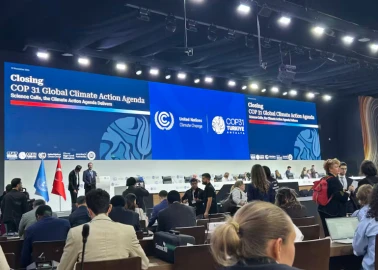
As world leaders and policymakers gathered in Antalya, Türkiye, for COP31 from November 9–20, 2026, a critical question emerged for Africa's engagement with the global climate agenda: how much of the economic value created by the green transition will the continent own, produce and retain?
The success of Africa’s green transition should be measured not only by how much climate finance the continent attracts, how many renewable energy projects it hosts or how many green jobs it creates , but also by three distinct outcomes: investment attracted, economic activity generated and economic value retained.
These are not interchangeable. An economy can attract substantial investment, host major climate projects and generate employment without necessarily building the productive capabilities, enterprises and industries that allow it to retain a meaningful share of the resulting economic value.
Africa's position in clean energy manufacturing illustrates this imbalance.