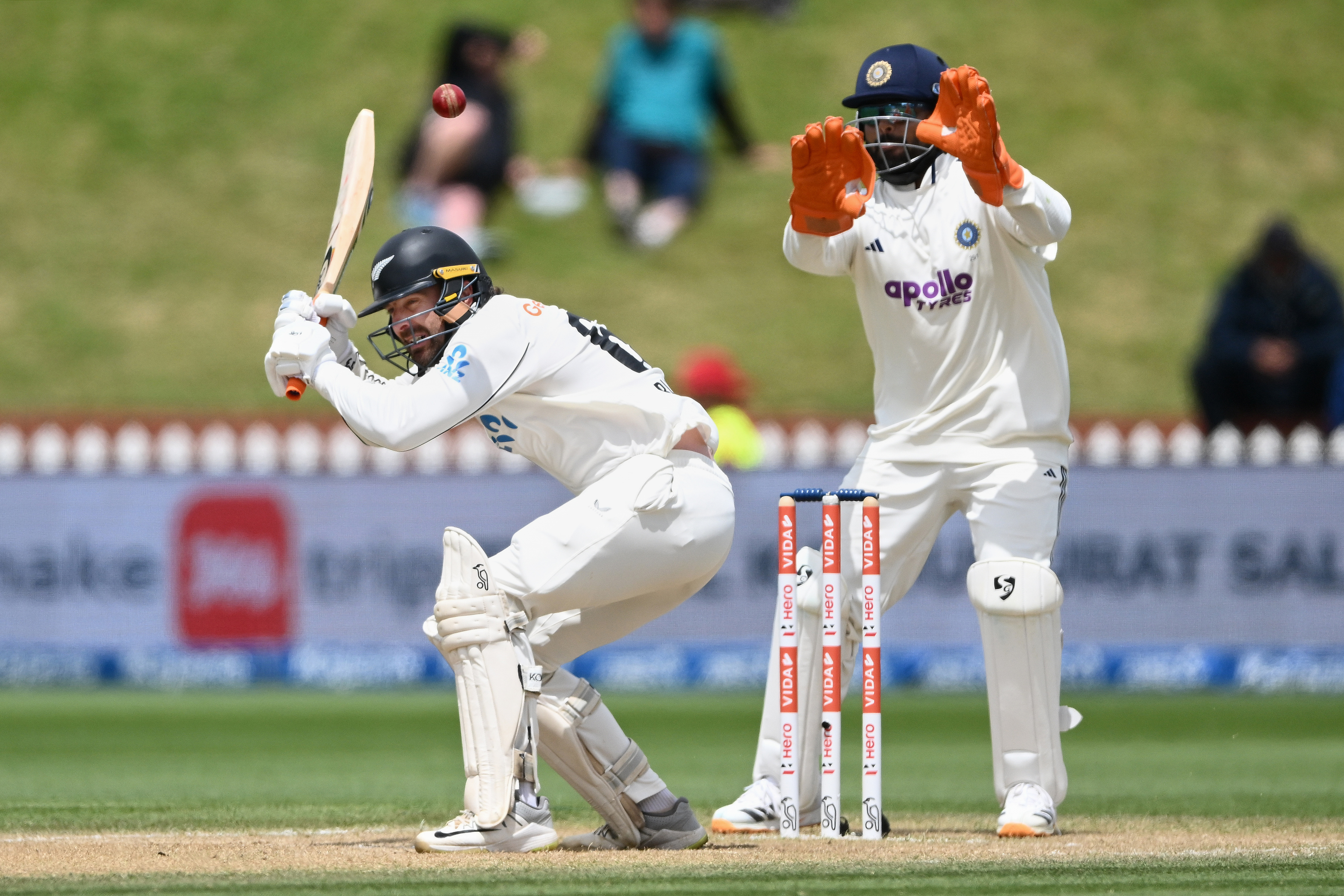
NEW DELHI: After India failed to bowl out New Zealand on a placid Basin Reserve pitch in Wellington on Monday, their captain Shubman Gill made a passionate plea for the return of legal ball management in test cricket. With the 2018 ball-tampering scandal involving Australia in South Africa firmly back in the spotlight after recent developments players, coaches, umpires and TV cameramen are keeping a sharp eye out for potential infractions. Ball tampering has declined in the glare of that spotlight with the result that reverse swing bowling has become more difficult. Ball management became even harder in 2020, when COVID-19 gripped the world and the ICC banned the use of saliva for health reasons, and Gill thinks the ban has long served its purpose and should be lifted. “There was a rule that you can’t put saliva on the ball to make it shine,” he told reporters. “It’s been seven to eight years and I still don’t understand why they are not allowing it. If you’re not able to maintain the ball, especially on wickets like these, it makes the job of the bowlers very difficult.” The ICC has no plans to lift the saliva ban, however, because it considers the practice unhygienic.
Ball-management clamour grows to put the shine back on reverse swing
In brief
NEW DELHI: After India failed to bowl out New Zealand on a placid Basin Reserve pitch in Wellington on Monday, their captain Shubman Gill made a passionate plea for the return of legal ball management in test cricket. Ball tampering has declined in the glare of that spotlight with the result that reverse swing bowling has become more difficult.
This is the opening of the story, shared with credit to Arab News. The rest of the report — with every detail — continues on the publisher’s website.
Continue reading at Arab News ↗