📰 Newspapers

What is lead azide? 5 tons of bomb materials detonated in Iowa despite health concerns

What is lead azide? 5 tons of bomb materials detonated in Iowa despite health concerns

Extremely sensitive to shock, heat, impact, and friction, the chemical may explode when dry

Want to bookmark your favourite articles and stories to read or reference later? Start your Independent Membership today.

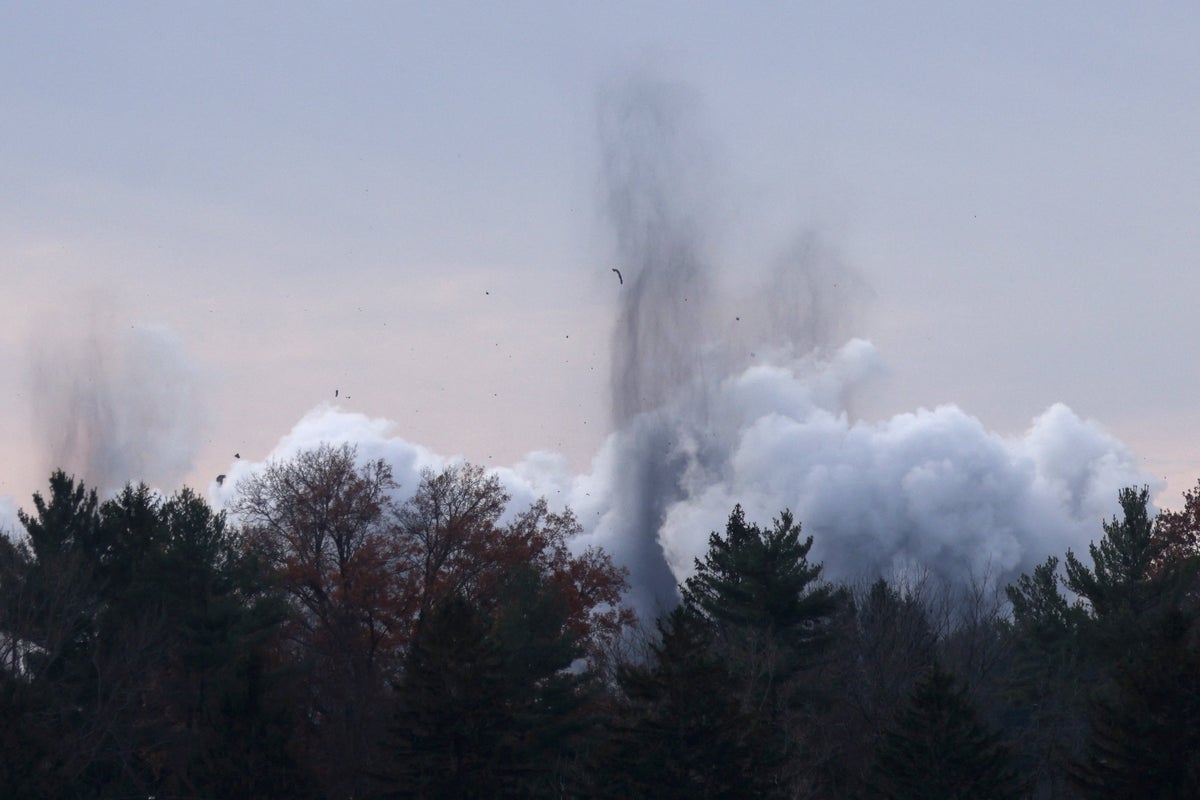
The U.S. Army has carried out a controlled detonation of a hazardous, deteriorating stockpile of lead azide in Iowa, prompting concerns from local officials and scientists over potential health and environmental impacts.

Lead azide is a highly sensitive chemical compound composed of lead and nitrogen, usually taking the physical form of a colorless or white crystalline powder or needlelike crystals. Serving as an initiating explosive in military munitions, the substance has historically been utilized in detonators designed to set off secondary explosives such as TNT.

Extremely sensitive to shock, heat, impact, and friction, the chemical may explode when dry. Over prolonged periods and amid fluctuating temperatures, lead azide forms larger, highly unstable crystals that further heighten the danger of detonation. The decades-old supply stored in Iowa had begun crystallizing, creating a critical risk of spontaneous detonation.

Once broken down, lead acts as a toxic heavy metal capable of damaging the brain, nervous system, kidneys, heart, and other organs, while also causing developmental damage. Given that lead exposure poses both immediate risks and longer-term environmental hazards, researchers and officials are questioning potential lead levels in surrounding air, land, and water sources that could impact residents, crops, cattle, and regional wildlife following the explosion.

In brief

Want to bookmark your favourite articles and stories to read or reference later? Lead azide is a highly sensitive chemical compound composed of lead and nitrogen, usually taking the physical form of a colorless or white crystalline powder or needlelike crystals. Over prolonged periods and amid fluctuating temperatures, lead azide forms larger, highly unstable crystals that further heighten the danger of detonation.

This is the opening of the story, shared with credit to The Independent — World. The rest of the report — with every detail — continues on the publisher’s website.

Continue reading at The Independent — World ↗

Cookie settings

Choose which cookies we may use. You can change this at any time from Cookie settings in the footer. Details of each cookie are in the Cookie Policy.

Strictly necessary

Needed for sign-in, security, payments and remembering these choices. Always on.

Preferences

Remember settings such as dark mode.

Analytics & performance

Help us count visits, understand which pages, devices and countries our readers use, and measure how well the site performs – anonymous and aggregated.

Advertising & marketing

Lets advertising partners show and personalise adverts, measure impressions, clicks and visits, prevent ad fraud and pay us – this is how the free site is funded.

🔔 News notifications

Get headlines from NewsHub on this device — even when the site is closed.

You can switch this off at any time. Works on Android, Windows, Mac and Linux browsers; on iPhone/iPad add the site to your Home Screen first.