The share of government procurement awards going to businesses owned by persons with disabilities has increased nationally from 9.84% to 14.38%, but their participation remains below the level needed to translate Kenya’s inclusion commitments into meaningful economic opportunities.
At the same time, persons with disabilities accounted for just 1.28% of the workforce in seven public institutions that provided employment data, against the statutory 5% requirement, according to a new gap analysis disseminated today in Nairobi.
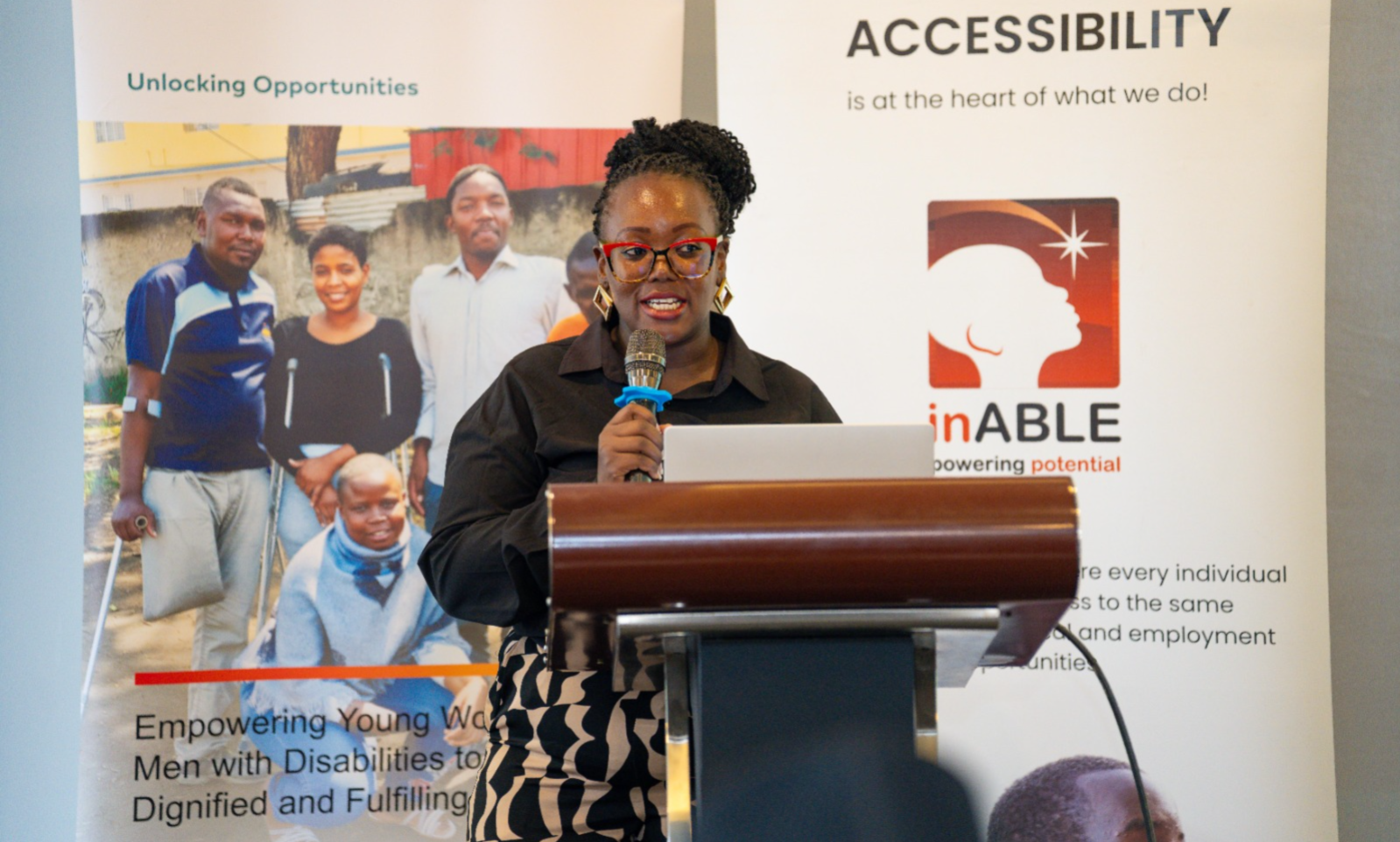
The findings were presented during a high-level meeting convened by the Unlocking Opportunities Programme (UOP) in partnership with Mastercard Foundation, bringing together government representatives, development partners, private sector leaders and organisations of persons with disabilities to examine the implementation of the Access to Government Procurement Opportunities (AGPO) framework and disability-inclusive employment requirements.
The assessment covered 42 institutions across Embu, Kilifi, Kisumu, Nairobi, Nakuru and Turkana, examining institutional policies, systems and practices, as well as the experiences of persons with disabilities seeking procurement and meaningful and dignified employment opportunities.
Kenya’s AGPO framework reserves 30% of government procurement opportunities for enterprises owned by women, youth and persons with disabilities.
Separately, the Persons with Disabilities Act, 2025 requires employers with 20 or more employees to reserve at least 5% of positions for persons with disabilities and provide reasonable accommodation.