

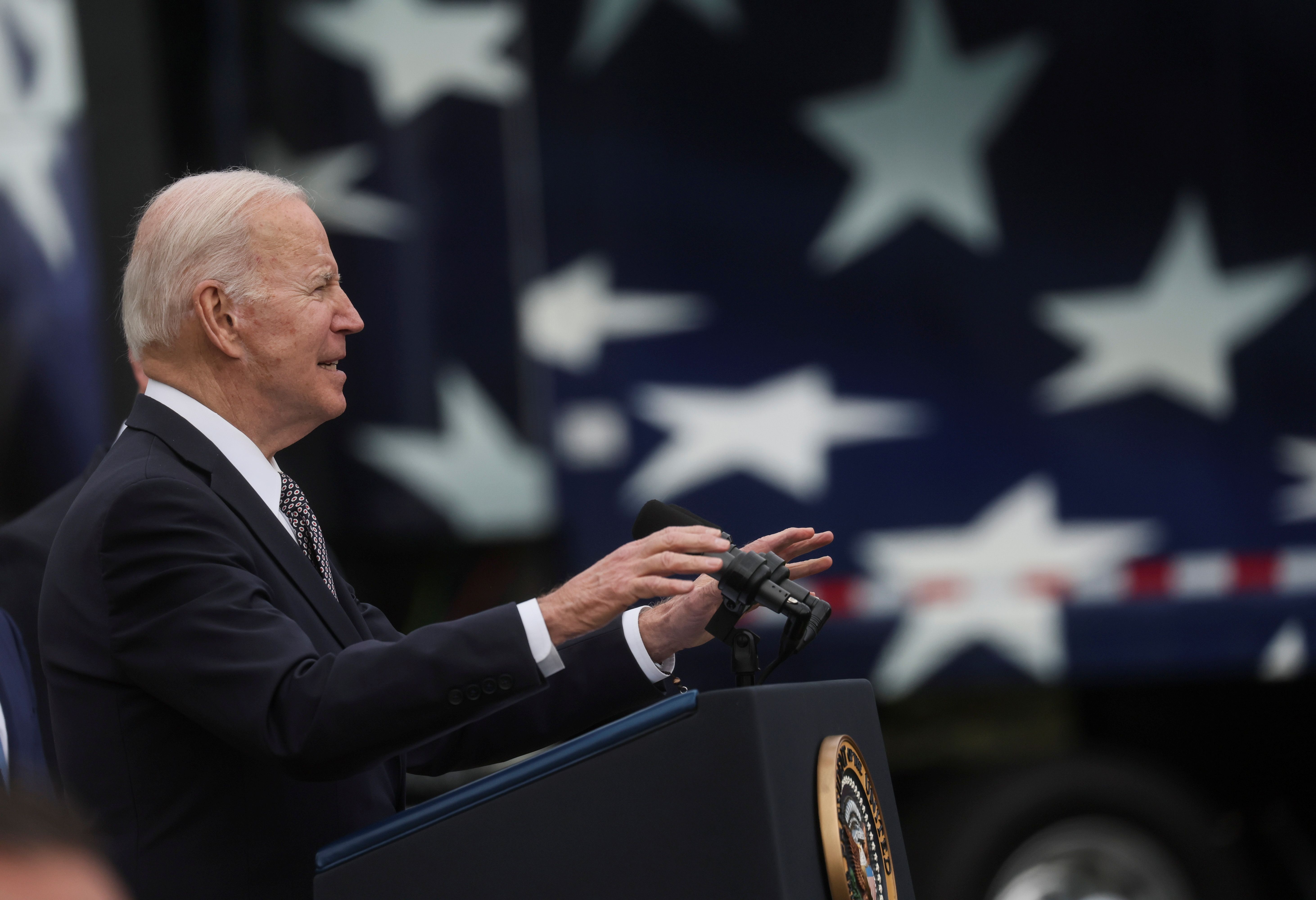
Democrats can be thankful for at least one decision by the Trump administration this year: Health officials continued to empower Medicare to negotiate prescription drug prices, a signature achievement of former President Joe Biden.
CMS announced this week that if newly negotiated prices had been in effect last year, they would’ve reduced the cost of the 13 drugs included in the program by $9.2 billion, a 45% savings. The new prices take effect in 2028 and cover high-cost drugs with no generic competitors, like Gilead Sciences’ HIV drug Biktarvy and Janssen’s prostate cancer drug Erleada.
As Democrats debate their healthcare agenda, the drug negotiation program offers a contemporary example of how a Democratic health policy can endure, even under a Republican administration.
During the legislative battle over Medicare drug price negotiations, Democrats were more insulated from outside pressure because of the COVID-19 pandemic. Reporters who cover turn-of-the-screw developments were mostly cloistered at home in the spring of 2021. Lobbyists, who had previously used terms like “nuclear winter” to describe the proposal’s impact on the pharmaceutical industry, could not apply face-to-face pressure on lawmakers.
While no Republicans publicly backed the proposal, even pro-market conservatives have said to me in private that it makes sense to allow Medicare to haggle with drugmakers on drugs with no competition.