📰 Newspapers

Steel production continues despite 80% energy restrictions

Steel production continues despite 80% energy restrictions

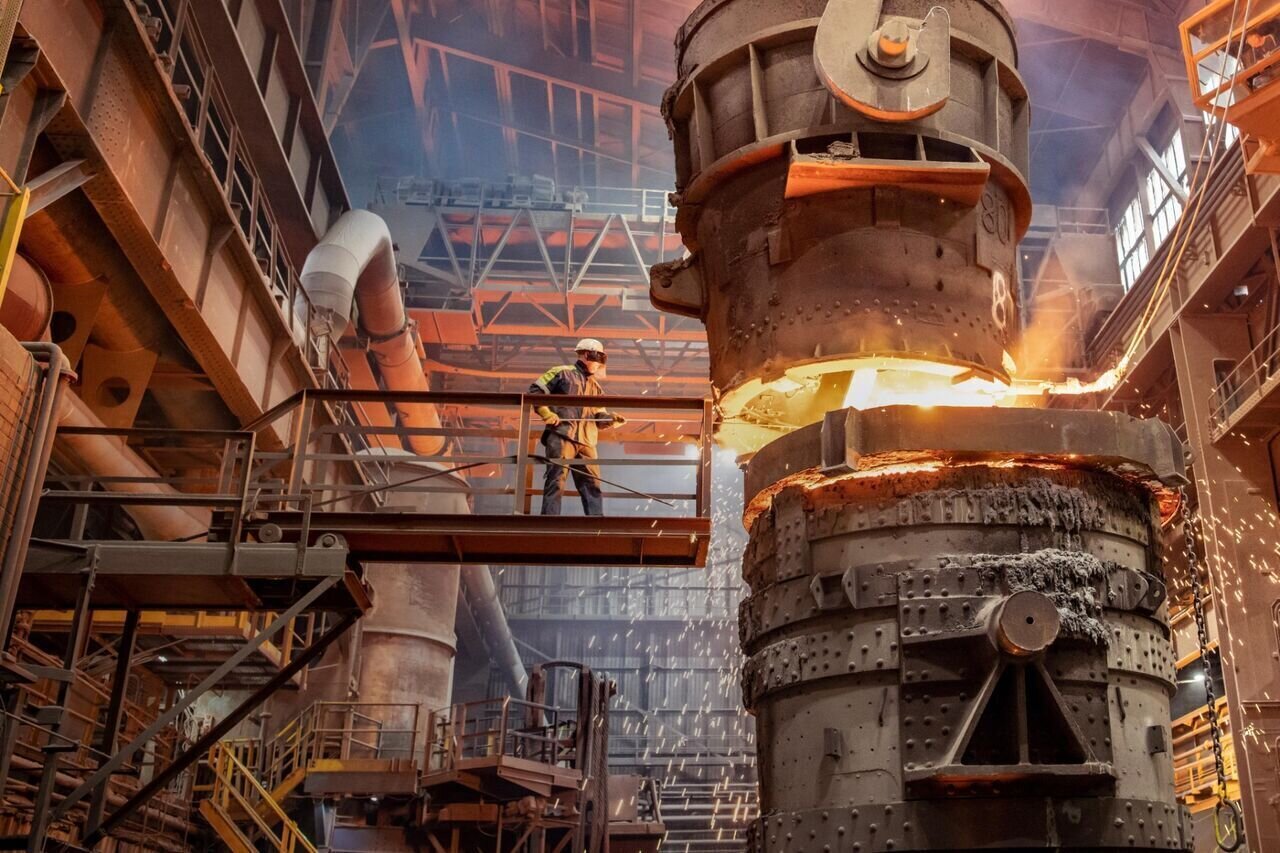
TEHRAN – Iran’s steel producers have continued operations despite facing electricity restrictions of around 80 percent over the past five to six months, relying on their own power plants and purchases from the open market to meet part of their energy needs, the head of the Iranian Steel Producers Association said.

Bahram Sobhani told IRIB that the steel industry had faced both power cuts and restrictions, as well as several-fold increases in electricity and gas tariffs in recent years, adding that both factors had affected production costs and operations.

He said almost all major steel companies are listed on the stock market, meaning changes in energy supply conditions and costs directly affect their financial statements, profitability and share values.

Sobhani said steelmakers had used their own power plants to offset part of the electricity shortfall and purchased additional supplies from the open market.

Buying electricity through the Energy Exchange at prices of 100,000 to 150,000 rials per kilowatt-hour has imposed a significant cost burden on steel companies and affected their financial performance, he added.

He said the industry had not faced major restrictions on gas supplies in recent months, but warned that colder weather could bring renewed concerns over gas availability.

Criticizing the sale of electricity and gas to industries through the Energy Exchange at prices several times higher than…
In brief

TEHRAN – Iran’s steel producers have continued operations despite facing electricity restrictions of around 80 percent over the past five to six months, relying on their own power plants and purchases from the open market to meet part of their energy needs, the head of the Iranian Steel Producers Association said. Bahram Sobhani told IRIB that the steel industry had faced both power cuts and restrictions, as well as several-fold increases in electricity and gas tariffs in recent years, adding that both factors had affected production costs and operations.

This is the opening of the story, shared with credit to Tehran Times. The rest of the report — with every detail — continues on the publisher’s website.

Continue reading at Tehran Times ↗

Cookie settings

Choose which cookies we may use. You can change this at any time from Cookie settings in the footer. Details of each cookie are in the Cookie Policy.

Strictly necessary

Needed for sign-in, security, payments and remembering these choices. Always on.

Preferences

Remember settings such as dark mode.

Analytics & performance

Help us count visits, understand which pages, devices and countries our readers use, and measure how well the site performs – anonymous and aggregated.

Advertising & marketing

Lets advertising partners show and personalise adverts, measure impressions, clicks and visits, prevent ad fraud and pay us – this is how the free site is funded.

🔔 News notifications

Get headlines from NewsHub on this device — even when the site is closed.

You can switch this off at any time. Works on Android, Windows, Mac and Linux browsers; on iPhone/iPad add the site to your Home Screen first.