A ranching family in southern Alberta has donated 160 acres of untouched native prairie for permanent protection, more than 100 years after first settling in the region. The land will remain open for cattle grazing, allowing the family’s farming tradition to continue while protecting the natural grassland. The Nature Conservancy of Canada (NCC) announced on 24 November 2026 that the Coppieters family had donated the 65-hectare property, known as Coppieters Acres, along Alberta's Milk River Ridge. The land is located 17 kilometres southeast of Magrath in Warner County. It will remain protected as native fescue grassland while continuing to support local ranching."Peter and I have always really appreciated and looked up to people who chose to conserve their land. When we talked about it, we thought this was the best thing we could do with the quarter pasture. We're happy that it will stay the way it's always been," land donor Donna Coppieters said in the Nature Conservancy of Canada announcement.A century of family stewardshipThe family has long referred to the property as the "quarter pasture". Peter Coppieters Sr. and his wife, Mary, first settled in the region in 1925. They bought land and started the family farm. Their son, Peter, later bought the quarter pasture with his wife, Donna, continuing the family's care for the property.
Alberta family donates 160 acres of native prairie for conservation while allowing cattle grazing
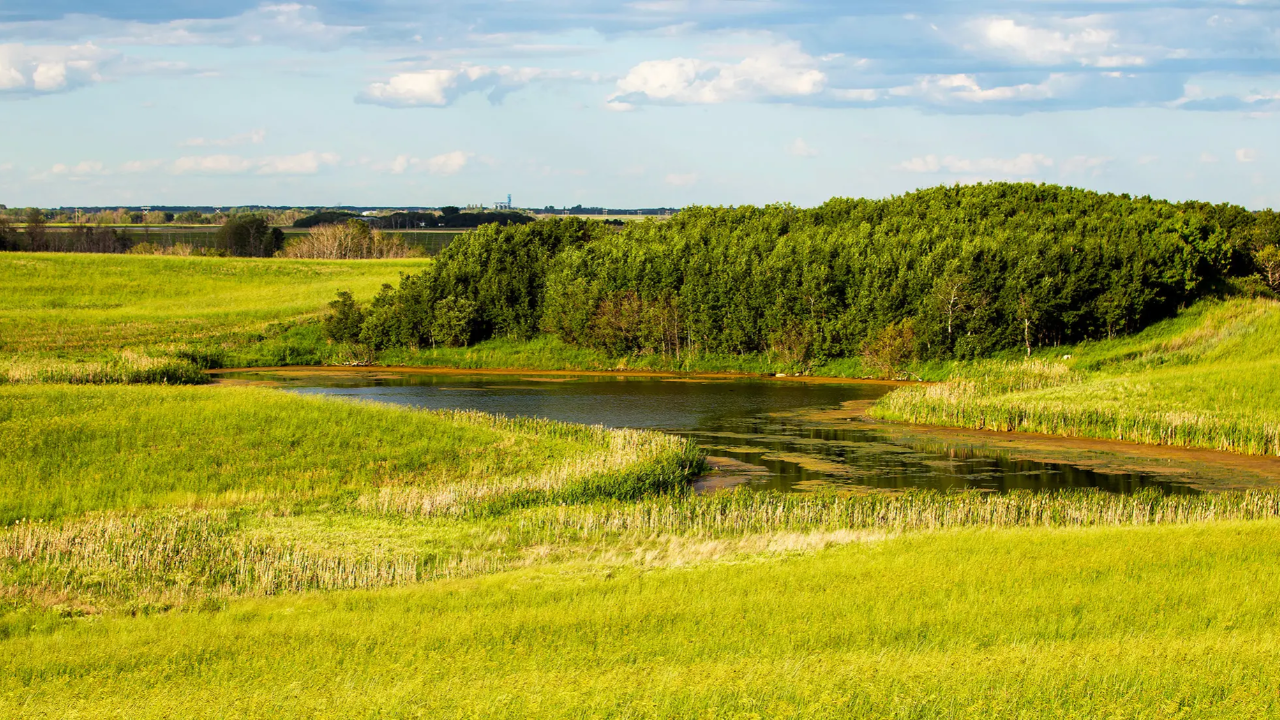
A remarkable commitment to conservation has been made by a ranching family in southern Alberta, who have donated 160 acres of untouched prairie land for long-term protection. This initiative allows cattle grazing to persist while maintaining the delicate balance of the native grassland ecosystem. For nearly a century, the Coppieters family has managed this land, protecting its agricultural history.
In brief
A ranching family in southern Alberta has donated 160 acres of untouched native prairie for permanent protection, more than 100 years after first settling in the region. The land will remain open for cattle grazing, allowing the family’s farming tradition to continue while protecting the natural grassland. They bought land and started the family farm.
This is the opening of the story, shared with credit to The Times of India — World. The rest of the report — with every detail — continues on the publisher’s website.
Continue reading at The Times of India — World ↗