📰 Newspapers

Russia-Ukraine war extends to the Baltic and the Mediterranean

Russia-Ukraine war extends to the Baltic and the Mediterranean

By attacking Russian vessels around the world, Kyiv is trying to up the pressure on Moscow and also sending out signals to its Western allies. What is the impact on global maritime trade?

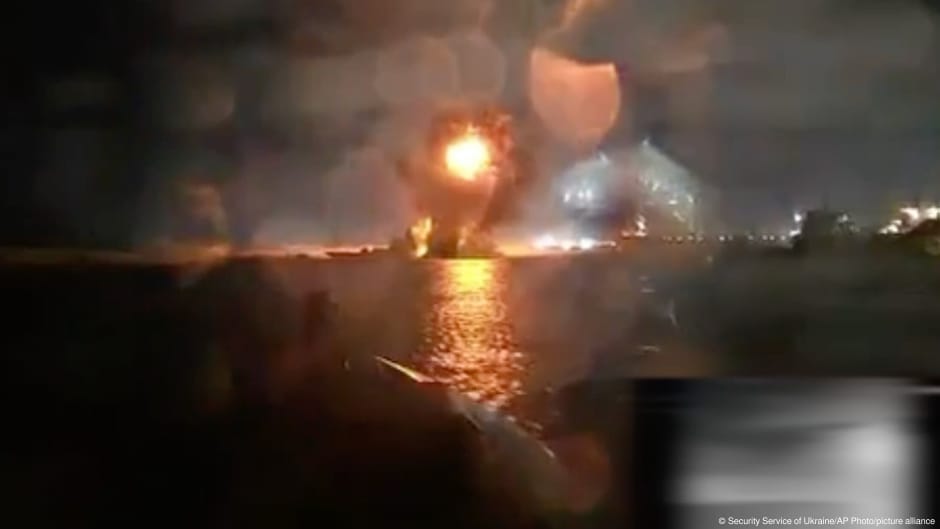
First there was an attack on a Russian cargo vessel, the Sparta II, off the Finnish coast, then on the Russian corvette Merkury and a dry cargo vessel that was allegedly carrying weapons off the coast of Libya. These spectacular Ukrainian operations in regions far from the Ukrainian capital Kyiv have caused a stir. They came shortly after several suspected Russian missiles crashed in Poland, not far from where an international military exercise was underway.

Intelligence agencies have long warned that Russia was preparing some form of provocation along NATO's eastern flank.

What are the risks of Russia's war in Ukraine escalating further and drawing in other regions?

It is no secret that Russia has long since expanded its operations beyond Ukraine: With military provocation, hybrid operations and acts of sabotage, Moscow has attempted to put pressure on the countries that openly support Ukraine.

And Ukraine has also targeted Russia's military and economy beyond its borders.

Since the summer, attacks by both Russia and Ukraine have increased in the Black Sea. Not only have Russian and Ukrainian cargo ships been targeted, but also vessels from other countries, particularly Turkey.

Furthermore, in the past few years, Ukraine has managed to deal significant blows to Russia, deep within Russian territory, thanks to aerial and maritime drones.

In brief

First there was an attack on a Russian cargo vessel, the Sparta II, off the Finnish coast, then on the Russian corvette Merkury and a dry cargo vessel that was allegedly carrying weapons off the coast of Libya. And Ukraine has also targeted Russia's military and economy beyond its borders. Since the summer, attacks by both Russia and Ukraine have increased in the Black Sea.

This is the opening of the story, shared with credit to DW — Top stories. The rest of the report — with every detail — continues on the publisher’s website.

Continue reading at DW — Top stories ↗

Cookie settings

Choose which cookies we may use. You can change this at any time from Cookie settings in the footer. Details of each cookie are in the Cookie Policy.

Strictly necessary

Needed for sign-in, security, payments and remembering these choices. Always on.

Preferences

Remember settings such as dark mode.

Analytics & performance

Help us count visits, understand which pages, devices and countries our readers use, and measure how well the site performs – anonymous and aggregated.

Advertising & marketing

Lets advertising partners show and personalise adverts, measure impressions, clicks and visits, prevent ad fraud and pay us – this is how the free site is funded.

🔔 News notifications

Get headlines from NewsHub on this device — even when the site is closed.

You can switch this off at any time. Works on Android, Windows, Mac and Linux browsers; on iPhone/iPad add the site to your Home Screen first.