📰 Newspapers

Securing the world’s lifelines

Securing the world’s lifelines

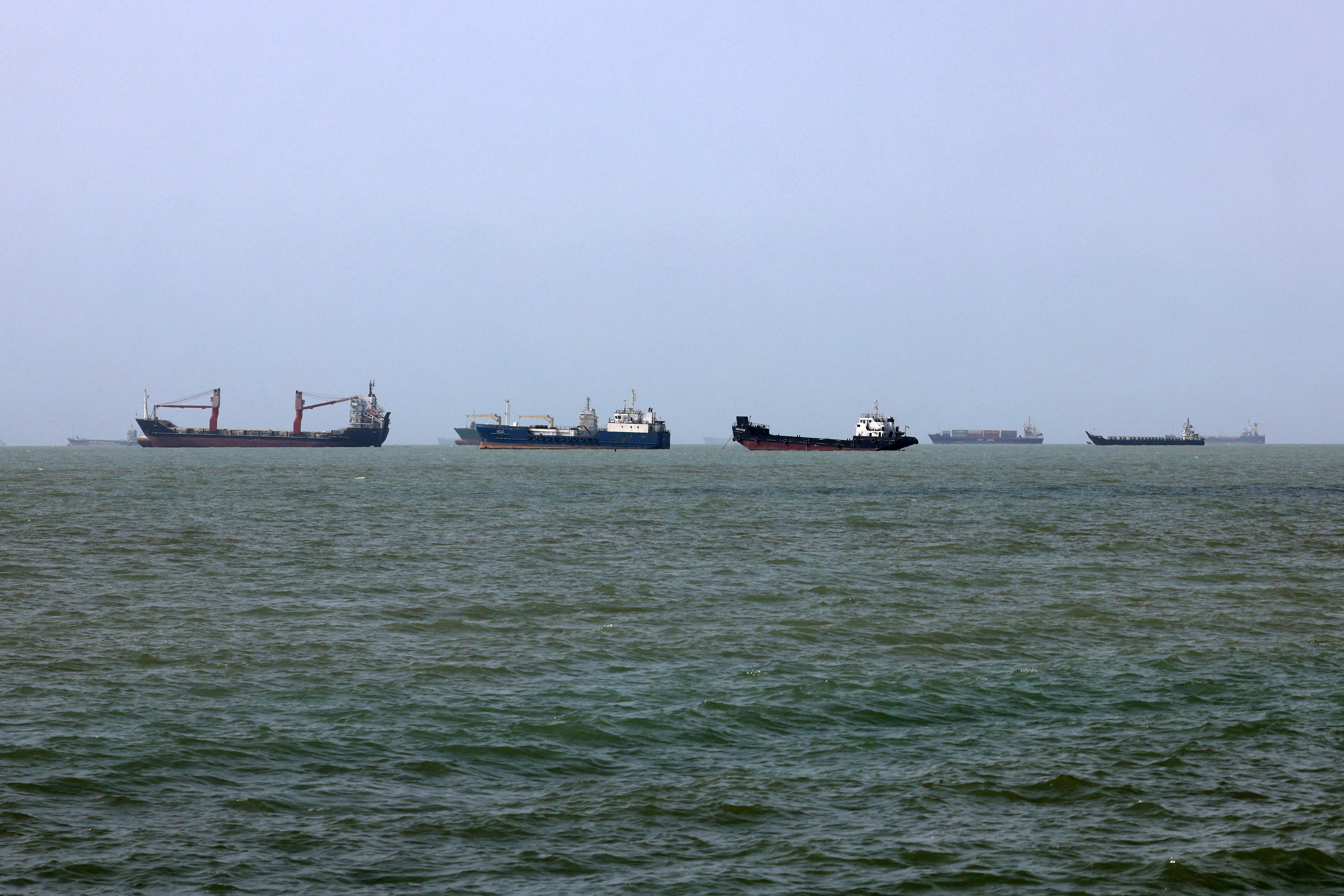
International shipping routes have increasingly become instruments of political leverage, coercion and disruption. A single state or nonstate actor should not be able to threaten or obstruct vital maritime routes, disrupt global energy supplies, undermine international commerce and impose economic consequences on countries and populations around the world.

These routes are essential arteries of the global economy and their security should not be subject to the political calculations, military ambitions or ideological objectives of individual governments or militias. Their protection must be recognized as a shared international responsibility.

State actors and armed groups have been increasing their use of these chokepoints as tools of pressure. When governments or militias interfere with freedom of navigation, the consequences cascade far beyond the immediate waters.

First, they threaten the world economy. About 80 percent of global trade by volume moves by sea. Critical passages such as the Strait of Hormuz, Bab Al-Mandab and the approaches to the Suez Canal carry outsized shares of oil, liquefied natural gas, containers and bulk commodities.

The human cost is distributed globally even when the kinetic violence remains concentrated in a few straits

Disruption forces longer voyages around the Cape of Good Hope, multiplies fuel consumption, drives insurance premiums sharply higher and raises freight rates.
In brief

International shipping routes have increasingly become instruments of political leverage, coercion and disruption. A single state or nonstate actor should not be able to threaten or obstruct vital maritime routes, disrupt global energy supplies, undermine international commerce and impose economic consequences on countries and populations around the world. When governments or militias interfere with freedom of navigation, the consequences cascade far beyond the immediate waters. First, they threaten the world economy.

This is the opening of the story, shared with credit to Arab News. The rest of the report — with every detail — continues on the publisher’s website.

Continue reading at Arab News ↗

Cookie settings

Choose which cookies we may use. You can change this at any time from Cookie settings in the footer. Details of each cookie are in the Cookie Policy.

Strictly necessary

Needed for sign-in, security, payments and remembering these choices. Always on.

Preferences

Remember settings such as dark mode.

Analytics & performance

Help us count visits, understand which pages, devices and countries our readers use, and measure how well the site performs – anonymous and aggregated.

Advertising & marketing

Lets advertising partners show and personalise adverts, measure impressions, clicks and visits, prevent ad fraud and pay us – this is how the free site is funded.

🔔 News notifications

Get headlines from NewsHub on this device — even when the site is closed.

You can switch this off at any time. Works on Android, Windows, Mac and Linux browsers; on iPhone/iPad add the site to your Home Screen first.