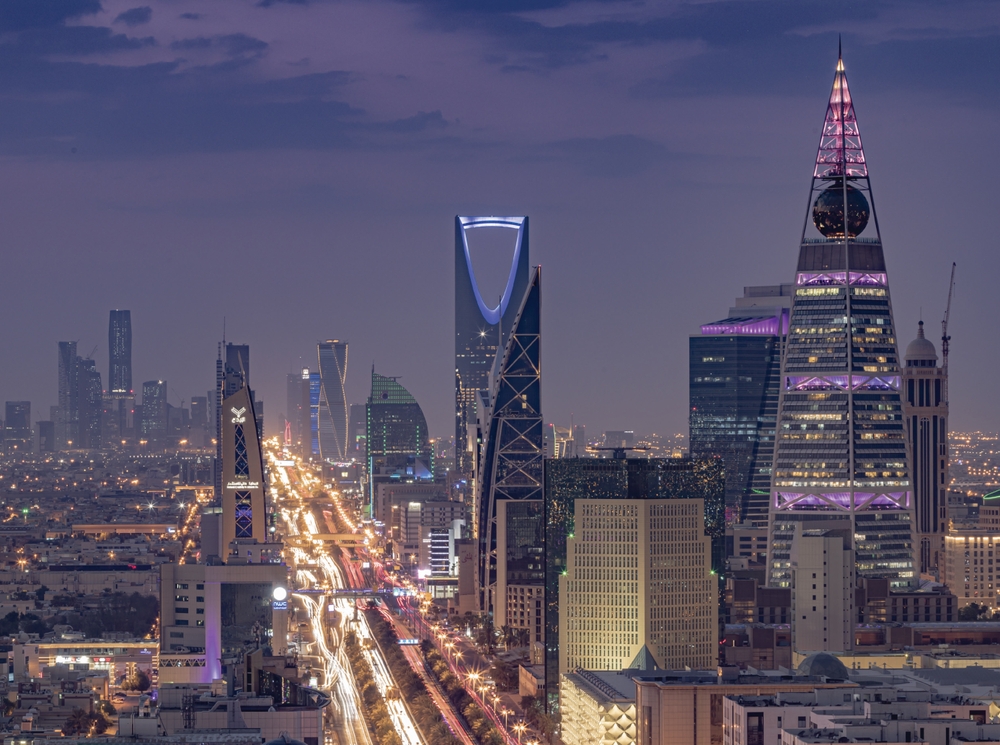
On Tuesday in Riyadh, Crown Prince Mohammed bin Salman chaired the Cabinet session that approved Saudi Arabia’s state general budget for 2027.
It was not a routine approval of figures. It was a renewed declaration of a state’s confidence in itself, in its people and in its future at a time when wars surround the region and volatility shakes the entire world economy.
The crown prince summed it up in a single sentence: “The budget for the fiscal year 2027 embodies the government’s commitment to placing the elevation of the nation and the interest of the citizen at the forefront of its priorities and preserving the gains of development for this generation and for generations to come.”
The budget sets expenditure at SR1.39 trillion ($370.7 billion) against revenues of SR1.2 trillion. The expected deficit is SR190 billion, or 3.6 percent of gross domestic product, down from an estimated 4.9 percent in 2026.
That deficit is not a weakness but a deliberate choice. As Finance Minister Mohammed Al-Jadaan explained, the government accepts a deficit when the economic and social return on spending exceeds the cost of financing it. The estimates are also conservative: actual revenues have exceeded budget estimates for six consecutive years, he told the government press conference.