Volatility is spiking.
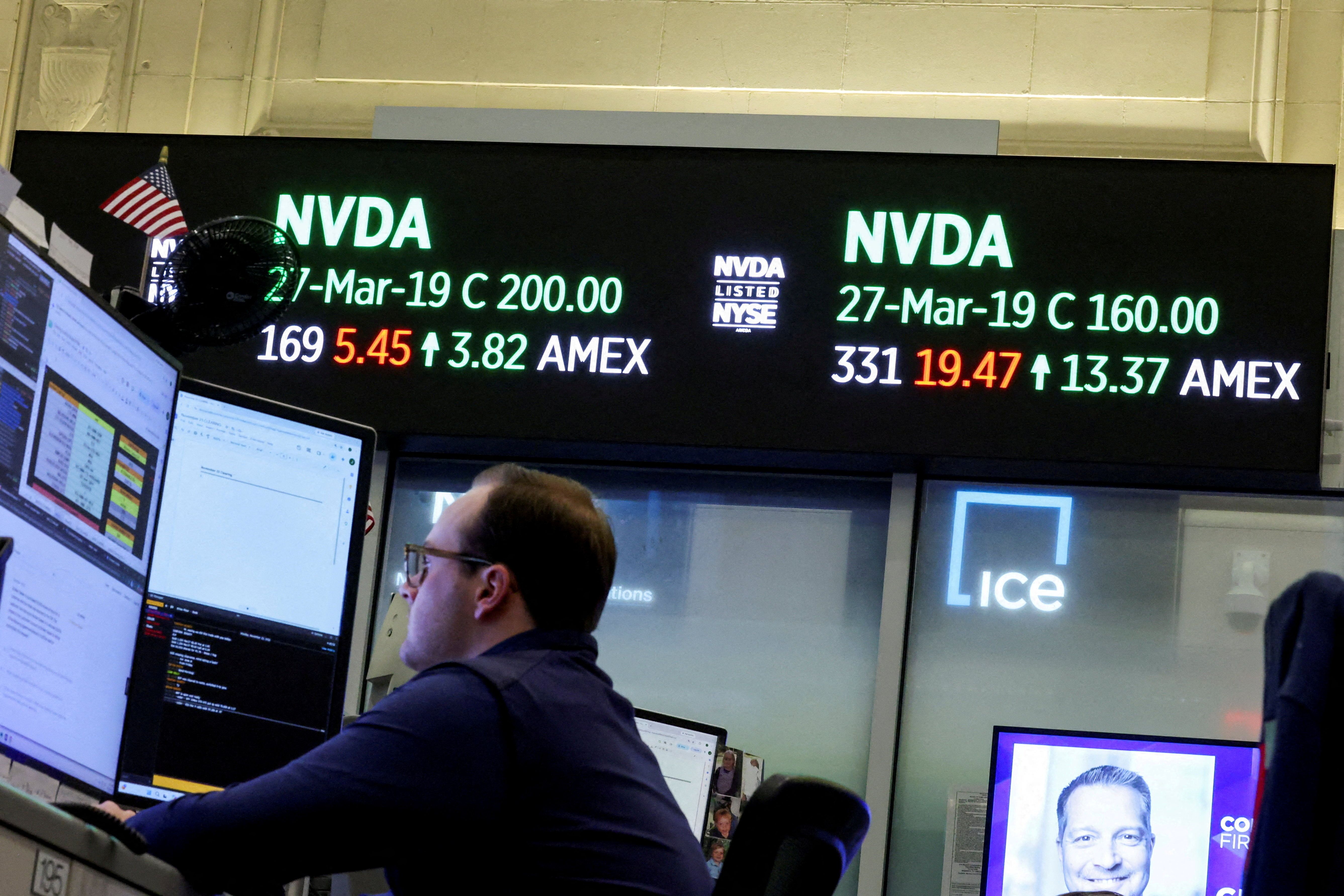
Stocks are swinging more wildly in both directions on headlines that would have elicited shrugs a year ago. The VIX index, which measures twitchiness in S&P 500 stocks, hit a post-“Liberation Day” high this week, and its tech-stocks cousin is even higher.
The amount of money Goldman Sachs could potentially lose on a single day in the markets, known as value-at-risk, rose 84% from last December to Sept. 30 — and that was before nerves fried in tech markets over Nvidia, the AI trade, and export controls. Here are a few things I’m keeping an eye on:
Taps on shoulders across Wall Street. Volatility also goes into models that manage risk on trading floors. Even winners will find their leash tightened, and some heavy hitters will leave. Hedge funds are already reducing their market exposure, which can feed volatility in a loop.
Convertible bonds. This should be boom time for convertible bonds — debt-like instruments that pay little, sometimes zero, interest but are swappable for shares of stock in the future. Volatility is a key input into their pricing because stocks that swing around are more likely to end up in-the-money. Issuance is already at a record this year, with $163 billion through September, according to SIFMA, though higher credit spreads have dampened the mood lately.