📰 Newspapers

Extreme heat threatens pregnant women in South Africa’s informal settlements

Extreme heat threatens pregnant women in South Africa’s informal settlements

Extreme heat threatens pregnant women in South Africa’s informal settlements

Playing from Video · open at Africanews ↗

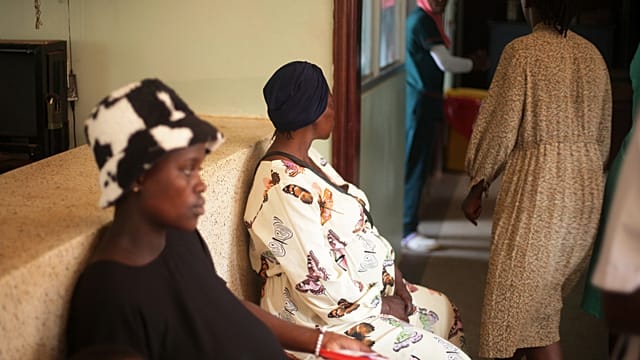
Inside this antenatal unit in Mamelodi south africa, expectant mothers are battling dizziness, swollen feet and exhaustion as temperatures soar. In nearby informal settlements, extreme heat is raising fears of premature births and putting maternal health at risk.

In Mamelodi, in South Africa's Gauteng province, rising temperatures are placing pregnant women at increased risk of premature delivery, particularly in informal settlements where access to basic utilities remains limited.

Health workers at local clinics and researchers at the University of the Witwatersrand (Wits) warn that extreme heat exposure is directly affecting maternal and neonatal health. At the Stanza Bopape Antenatal Unit in Mamelodi, expecting mothers report severe physical discomfort during periods of intense heat, including dizziness, swollen feet and difficulty walking long distances.

Clinical staff at the facility have recorded a higher number of preterm deliveries compared with previous summers, noting that heat stress and dehydration can also lead to maternal distress and reduced foetal movement. These clinical observations reflect broader scientific findings compiled by researchers at Wits University's Reproductive Health and HIV Institute (Wits RHI) and Planetary Health Research Division.

Pooling available studies on heat exposure during pregnancy, researchers found that every one-degree Celsius increase in temperature is associated with a four percent higher risk of premature birth. According to Wits RHI senior researcher Dr Sibusiso Mkwananzi, socio-economic and living conditions compound the biological risks of extreme heat.

In brief

In Mamelodi, in South Africa's Gauteng province, rising temperatures are placing pregnant women at increased risk of premature delivery, particularly in informal settlements where access to basic utilities remains limited. Health workers at local clinics and researchers at the University of the Witwatersrand (Wits) warn that extreme heat exposure is directly affecting maternal and neonatal health.

This is the opening of the story, shared with credit to Africanews. The rest of the report — with every detail — continues on the publisher’s website.

Continue reading at Africanews ↗

Cookie settings

Choose which cookies we may use. You can change this at any time from Cookie settings in the footer. Details of each cookie are in the Cookie Policy.

Strictly necessary

Needed for sign-in, security, payments and remembering these choices. Always on.

Preferences

Remember settings such as dark mode.

Analytics & performance

Help us count visits, understand which pages, devices and countries our readers use, and measure how well the site performs – anonymous and aggregated.

Advertising & marketing

Lets advertising partners show and personalise adverts, measure impressions, clicks and visits, prevent ad fraud and pay us – this is how the free site is funded.

🔔 News notifications

Get headlines from NewsHub on this device — even when the site is closed.

You can switch this off at any time. Works on Android, Windows, Mac and Linux browsers; on iPhone/iPad add the site to your Home Screen first.