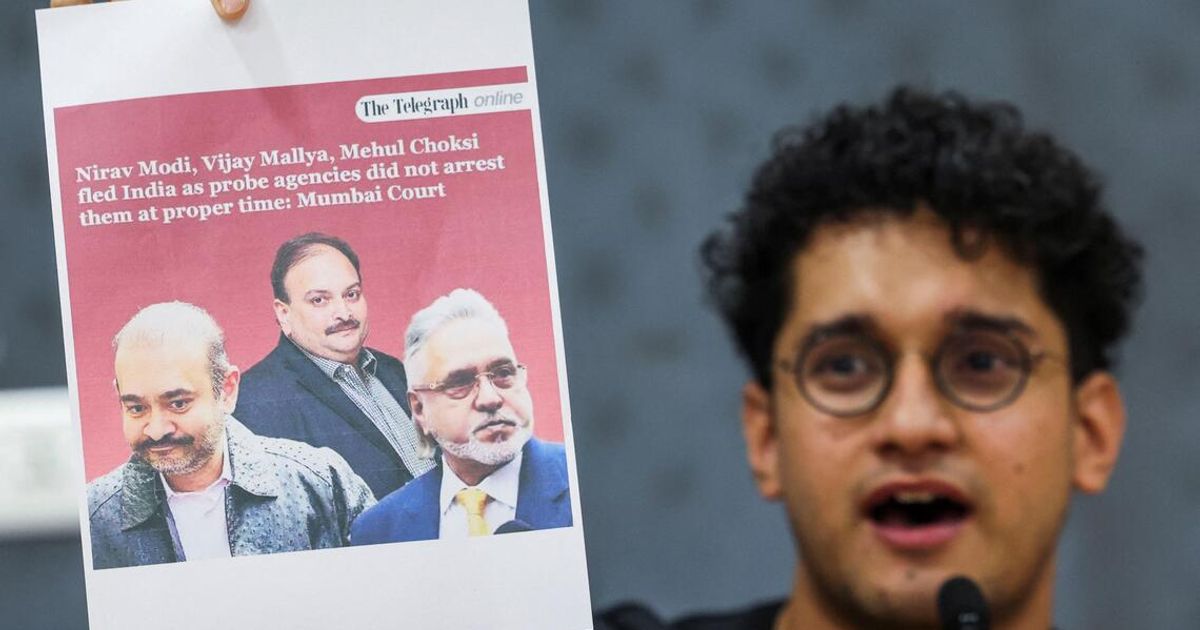
When activist Saurav Das tried to board a flight from New Delhi to London this week, the Indian authorities stopped him from leaving the country. Days earlier, a Norwegian journalist critical of Prime Minister Narendra Modi’s government faced the opposite problem: she was prevented from entering.
Then there was Bollywood actor Imran Khan, a US citizen, who was ordered to leave India after joining a protest against the country’s Election Commission in October.
Together, the cases have put a spotlight on a widening dispute over dissent and political freedoms under Modi. The tensions are playing out online too.
The Indian National Congress, the country’s main opposition party, this week sued Meta Platforms and the federal government over the removal and blocking of political content, according to Rishav Ranjan, a lawyer who filed the challenge. Meta did not respond to a request for comment.
The government has rejected suggestions that the restrictions are aimed at silencing critics, and the circumstances of the cases differ.
Randhir Jaiswal, spokesperson for the Ministry of External Affairs, said on Nov 25 that the authorities are seeking clarification regarding Das’ place of birth following reports of discrepancies. Das has been advised not to use his passport until he submits a response, Jaiswal added.