Winter is cold, dark and grey. Yet for many Europeans, it’s a great time to switch to solar power. While many are focused on the holiday season, industry experts are urging homeowners considering a switch to solar to contact suppliers before Christmas – although not to take advantage of the winter sun.Several European countries are making changes to solar energy subsidies and tax breaks in 2027, meaning homeowners might want to fast-track their plans to enjoy the financial benefits. But even without changes to government incentives, there are good reasons to get ahead of the spring sunshine.How long does it take to install solar panels? Although a typical rooftop solar installation takes just one or two days, getting building permits and, in some cases, approval to connect to electricity grids can take weeks. Sometimes months.Last year, an OECD report citing earlier research found that permit times for rooftop solar projects ranged from six weeks in Malta to as many as 10 months in Bulgaria. The country has since made it easier for homeowners, scrapping permit requirements for solar systems up to 20 kilowatts intended for personal use, but delays are still common across Europe.In Germany, a consumer watchdog warned last year that homeowners in Saxony were waiting months to have their solar panels connected to the grid – and, in…
Why European households are rushing to buy solar panels ahead of a dark, cold winter
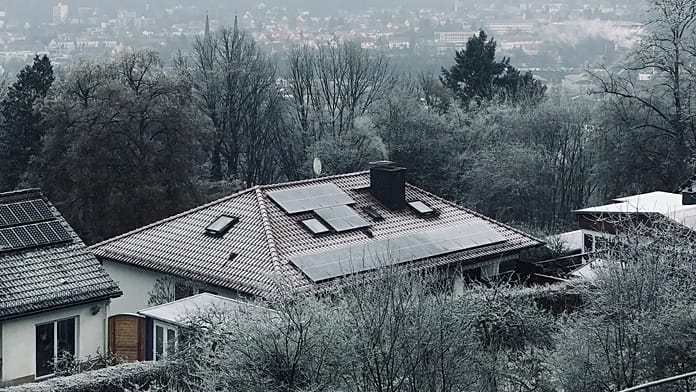
Changes to solar incentives and long installation processes mean European homeowners could benefit from planning now.
In brief
Winter is cold, dark and grey. Yet for many Europeans, it’s a great time to switch to solar power. But even without changes to government incentives, there are good reasons to get ahead of the spring sunshine.How long does it take to install solar panels? Sometimes months.Last year, an OECD report citing earlier research found that permit times for rooftop solar projects ranged from six weeks in Malta to as many as 10 months in Bulgaria.
This is the opening of the story, shared with credit to Euronews. The rest of the report — with every detail — continues on the publisher’s website.
Continue reading at Euronews ↗