📰 Newspapers

African lenders tipped on capturing key markets

African lenders tipped on capturing key markets

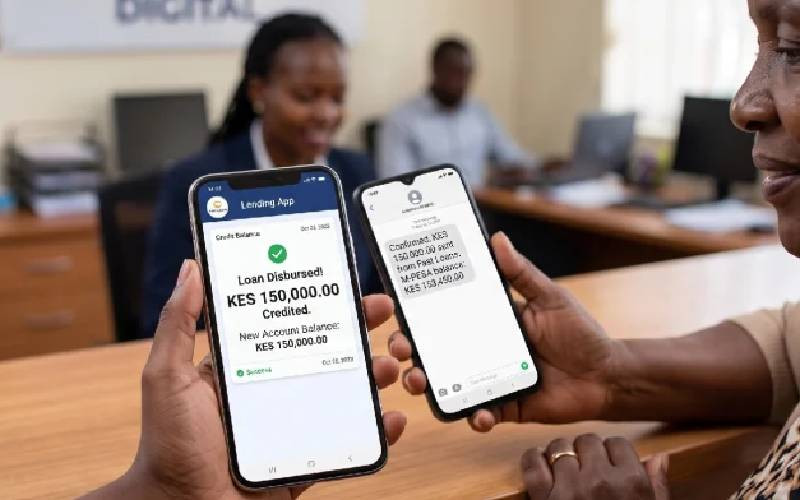
Sub-Saharan Africa's banks and fintechs are overlooking two massive growth engines right in front of them, experts say.

Sub-Saharan Africa’s banks and fintechs are overlooking two massive growth engines right in front of them, experts say.

These include an underserved market of 230 million Muslim consumers and a diaspora remittance pipeline capable of funding the region’s green transition.

This is according to KCA University’s largest-ever cohort of doctoral graduates, four School of Business scholars capped during the institution’s 21st graduation ceremony on Friday.

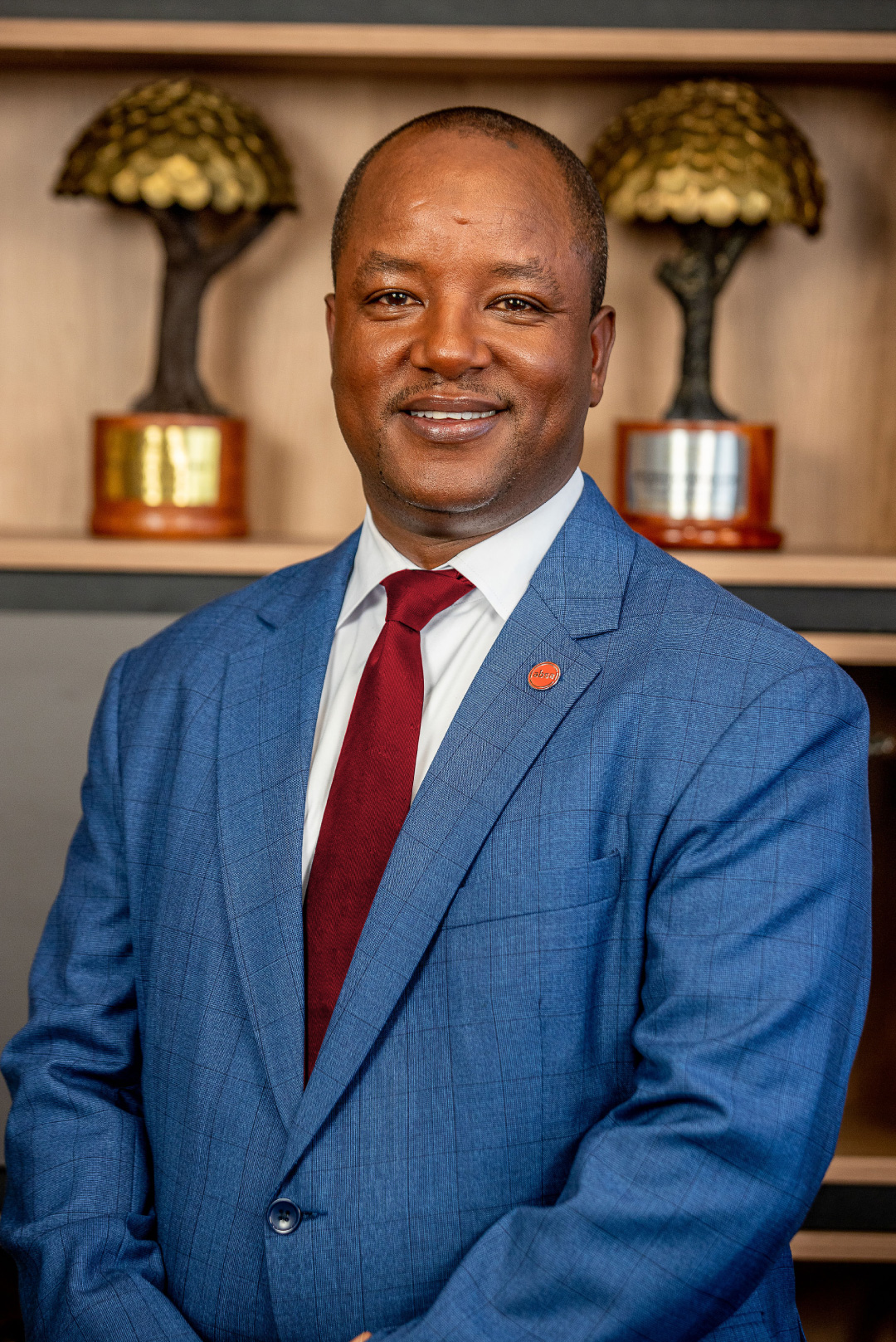
Conferring the degrees among 3,995 graduands, Chancellor Martin Oduor-Otieno—a former Treasury Permanent Secretary and ex-KCB Group chief executive—challenged the financial sector to act on local data rather than imported models.

"This award is not the summit of your scholarship; it is your commission," Dr Oduor-Otieno told the cohort.

"Africa urgently requires research that answers African questions: how our enterprises scale, how our institutions govern, and how our economies generate dignified work for our youth."

The sharpest commercial wake-up call comes from Dr Abdalla Mambo Dalu, whose thesis examined whether the financial soundness of Islamic banks in sub-Saharan Africa translates into operational efficiency.

According to his research, the region is home to roughly 230 million Muslims—nearly 30 per cent of its population—yet only about 50 Islamic banks operate within a regional universe of 600 to 700 lenders.

"We have an untapped market for the Islamic banks," Dr Dalu said.

In brief

Sub-Saharan Africa’s banks and fintechs are overlooking two massive growth engines right in front of them, experts say. The sharpest commercial wake-up call comes from Dr Abdalla Mambo Dalu, whose thesis examined whether the financial soundness of Islamic banks in sub-Saharan Africa translates into operational efficiency. "We have an untapped market for the Islamic banks," Dr Dalu said.
This is the opening of the story, shared with credit to The Standard — Business. The rest of the report — with every detail — continues on the publisher’s website.

Continue reading at The Standard — Business ↗

Cookie settings

Choose which cookies we may use. You can change this at any time from Cookie settings in the footer. Details of each cookie are in the Cookie Policy.

Strictly necessary

Needed for sign-in, security, payments and remembering these choices. Always on.

Preferences

Remember settings such as dark mode.

Analytics & performance

Help us count visits, understand which pages, devices and countries our readers use, and measure how well the site performs – anonymous and aggregated.

Advertising & marketing

Lets advertising partners show and personalise adverts, measure impressions, clicks and visits, prevent ad fraud and pay us – this is how the free site is funded.

🔔 News notifications

Get headlines from NewsHub on this device — even when the site is closed.

You can switch this off at any time. Works on Android, Windows, Mac and Linux browsers; on iPhone/iPad add the site to your Home Screen first.