📰 Newspapers

PAPSS targets 40 countries on pan-African payment system by 2027

PAPSS targets 40 countries on pan-African payment system by 2027

Nearly five years after its launch, stakeholders said expanding the platform and connecting Africa's fragmented payment networks will be key to unlocking the continent's trade potential.

The Pan-African Payment and Settlement System (PAPSS) is targeting at least 40 member countries by the end of 2027 as it seeks to make cross-border transactions faster and cheaper.

Nearly five years after its launch, stakeholders said expanding the platform and connecting Africa's fragmented payment networks will be key to unlocking the continent's trade potential.

Stakeholders in Africa's payment sector are calling for greater integration of payment systems to reduce the cost and time involved in cross-border transactions.

They pointed out that reliance on multiple intermediaries and fragmented payment networks continues to slow the movement of money across the continent, restricting trade and economic growth.

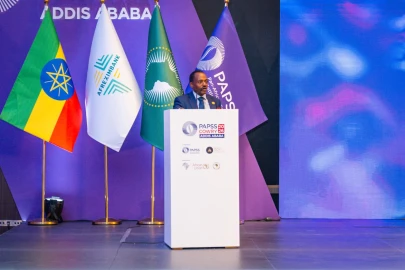
“Fragmentation remains our biggest challenge as Africans. It weakens the few links we have before they can mature, reduces bank-to-bank efficiencies and traps capital. Trapped capital creates a vicious circle, leaving a system forever hungry for new injections of capital because the capital it already has cannot move,” Safaricom Ethiopia Chairman Ermias Eshetu stated.

Eshetu stated that Africa's reliance on foreign financial systems also makes cross-border payments more expensive, with transactions between neighbouring countries sometimes routed through financial centres outside the continent.

In brief

Nearly five years after its launch, stakeholders said expanding the platform and connecting Africa's fragmented payment networks will be key to unlocking the continent's trade potential. Stakeholders in Africa's payment sector are calling for greater integration of payment systems to reduce the cost and time involved in cross-border transactions. Eshetu stated that Africa's reliance on foreign financial systems also makes cross-border payments more expensive, with transactions between neighbouring countries sometimes routed through financial centres outside the continent.

This is the opening of the story, shared with credit to Citizen Digital. The rest of the report — with every detail — continues on the publisher’s website.

Continue reading at Citizen Digital ↗

Cookie settings

Choose which cookies we may use. You can change this at any time from Cookie settings in the footer. Details of each cookie are in the Cookie Policy.

Strictly necessary

Needed for sign-in, security, payments and remembering these choices. Always on.

Preferences

Remember settings such as dark mode.

Analytics & performance

Help us count visits, understand which pages, devices and countries our readers use, and measure how well the site performs – anonymous and aggregated.

Advertising & marketing

Lets advertising partners show and personalise adverts, measure impressions, clicks and visits, prevent ad fraud and pay us – this is how the free site is funded.

🔔 News notifications

Get headlines from NewsHub on this device — even when the site is closed.

You can switch this off at any time. Works on Android, Windows, Mac and Linux browsers; on iPhone/iPad add the site to your Home Screen first.