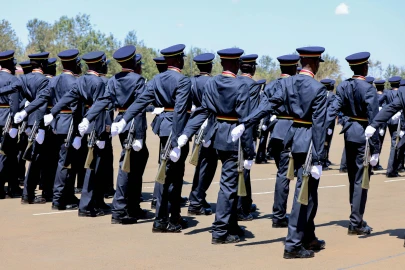
Behind the police badge and the blue uniform are human beings carrying heavy, unspoken trauma from gruesome crime scenes, fatal road accidents and relentless daily pressures.
In Kenya, whenever the National Police Service (NPS) makes headlines, the conversation almost always centres on accountability, brutality and misconduct. The public demands answers, and rightly so, because police abuse of power has become common.
But behind the badge and the blue uniform are human beings carrying heavy, unspoken trauma from gruesome crime scenes, fatal road accidents and relentless daily pressures.
For many citizens, the police uniform has become a symbol of fear rather than protection.
Accountability for rogue officers remains non-negotiable. Yet, away from the cameras, a quieter crisis is unfolding inside police stations nationwide. When an officer witnesses death and violence day after day, how does it affect them?
Thirty-five-year-old Japheth Nyakenyanya has worn the badge for the past ten years. Before joining the National Police Service, Japheth was a teacher until a deeper calling pulled him towards law enforcement.
“I joined the service because of a passion for helping people and wanting our country to be safe. I was a teacher, but I felt my dream was to be a police officer. I had high expectations that people would appreciate my service, but on the ground, things were different,” Nyakenyanya recalled.