Canada's Supreme Court has upheld most of Quebec's controversial Bill 21, which prevents certain public sector employees from wearing religious symbols while performing their jobs. The ruling, delivered on November 27, 2026, confirms that the province can enforce the restrictions despite challenges based on religious freedom, equality and minority rights. The decision means that public school teachers, police officers, government lawyers and other officials covered by the legislation must continue to follow the restrictions. Religious items affected include Sikh turbans, Muslim hijabs, Jewish kippahs and visible Christian crosses.However, the court identified a constitutional problem with one part of the law. It ruled that the requirement for members of Quebec's National Assembly to uncover their faces violates their democratic rights when it prevents elected representatives from taking part in legislative proceedings. In its judgment in English Montreal School Board v. Quebec (Attorney General), 2026 SCC 41, the Supreme Court also rejected the argument that Bill 21 violates the education rights of Quebec's English-speaking minority. This means English-language school boards will not receive the exemption sought in the case. The ruling follows years of legal challenges and confirms the Quebec government's ability to use Canada's constitutional notwithstanding clause to protect the legislation from certain Charter challenges.
Canada's top court upholds Quebec's religious symbols ban for public sector workers
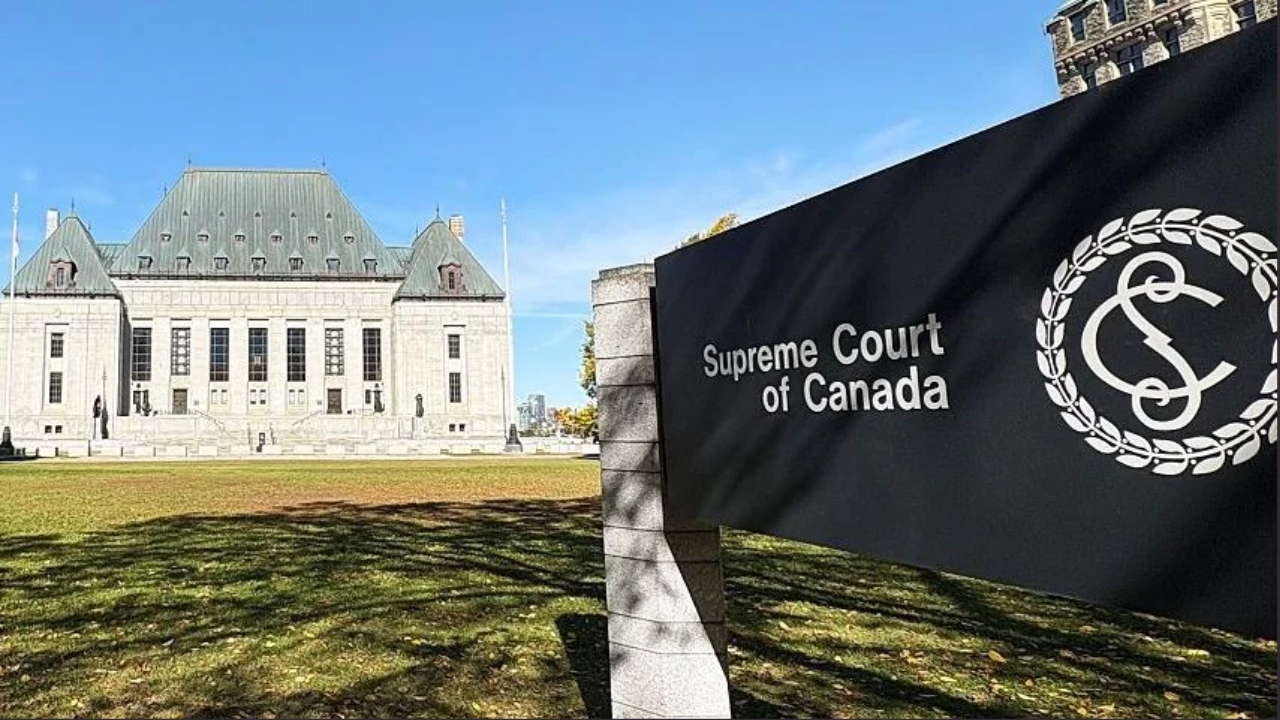
In a significant ruling, Canada's Supreme Court has upheld most aspects of Quebec's Bill 21, enforcing a ban on public employees wearing religious symbols. This decision reaffirms the provincial government's stance on secularism despite ongoing lawsuits. However, the court identified certain provisions on face coverings for elected officials as unconstitutional.
In brief
Canada's Supreme Court has upheld most of Quebec's controversial Bill 21, which prevents certain public sector employees from wearing religious symbols while performing their jobs. Quebec (Attorney General), 2026 SCC 41, the Supreme Court also rejected the argument that Bill 21 violates the education rights of Quebec's English-speaking minority. The ruling follows years of legal challenges and confirms the Quebec government's ability to use Canada's constitutional notwithstanding clause to protect the legislation from certain Charter challenges.
This is the opening of the story, shared with credit to The Times of India — World. The rest of the report — with every detail — continues on the publisher’s website.
Continue reading at The Times of India — World ↗