

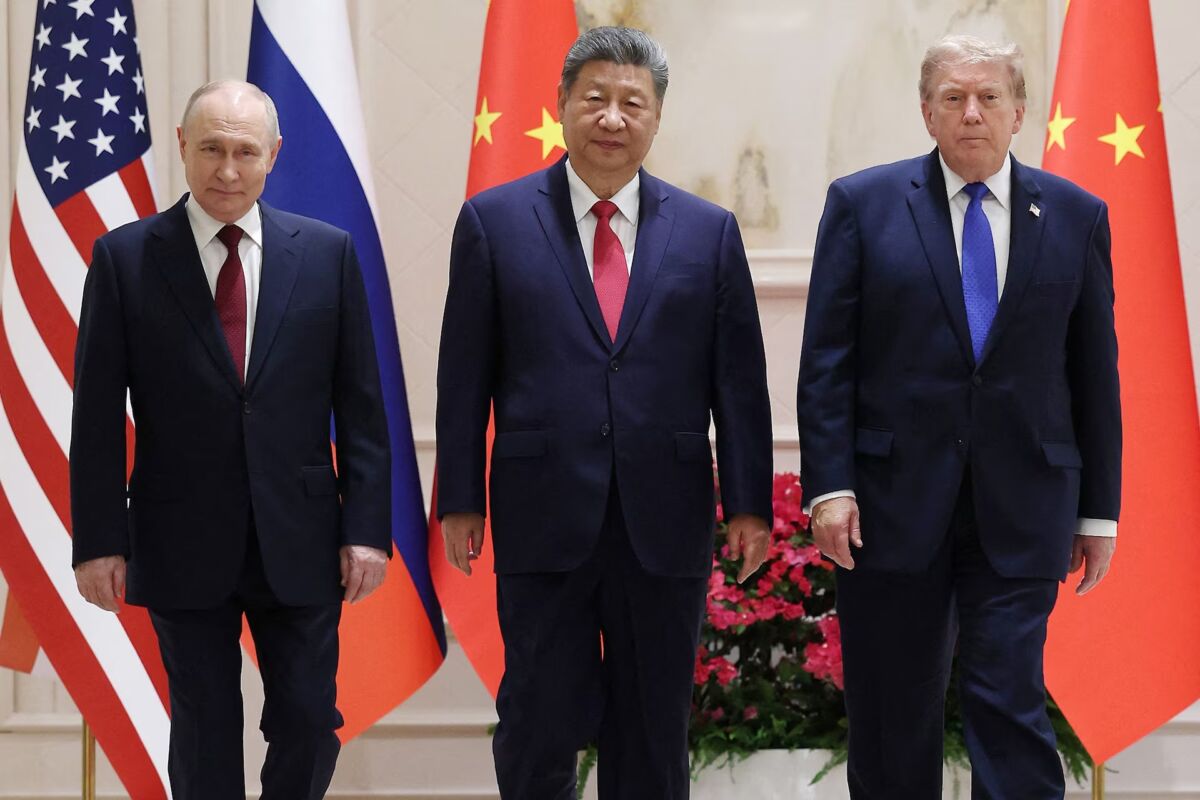
The meeting of the heads of state of China, Russia and the United States in Shenzhen, China, presents an important opportunity to rethink the future of international relations. Chinese President Xi Jinping’s observation that the seeds sown at the meeting will take root, sprout, blossom and bear fruit. This vision captures both the promise of this diplomatic engagement and the responsibility that comes with it.
The metaphor is particularly significant at a time when the international community is grappling with geopolitical tensions, armed conflicts, economic uncertainty, technological disruption and growing inequalities. As three influential global powers and permanent members of the United Nations Security Council, China, Russia and the United States possess considerable capacity to shape the international environment. Their decisions affect not only their respective populations but also the economic prospects, security and development trajectories of countries across the world.
However, diplomatic consensus, however encouraging, is only the starting point. The real test of the meeting will be whether the three countries can translate their commitments into practical cooperation that advances peace, stability and shared prosperity. This requires moving beyond strategic rivalry towards a more responsible approach to global leadership.
One of the most important lessons of international diplomacy is that disagreements between major powers are inevitable, but confrontation is not.