

There is a light at the end of the tunnel, or so they say. Light, perhaps, but no one ever tells you that the tunnel itself could be buried deep beneath the ground, leading you not towards an exit, but towards history. In Alexandria, archaeologists have uncovered just such a passage, alongside massive limestone foundations that could hold clues to a long-lost Ptolemaic royal tomb. While there are several theories about the possible purpose of this structure, some researchers believe it may have served a funerary function.According to Ahram Online, a Greek archaeological mission from the Hellenic Institute for the Research of the Alexandrian Civilization (HRIAC), headed by Calliope Limneos-Papakosta, uncovered the remains at the Shallalat Gardens archaeological site in Alexandria's ancient Royal Quarter. Following the submission of the excavation report, Egypt's Ministry of Tourism and Antiquities appointed a specialised scientific committee to examine the discovery.While there are several theories about the possible purpose of the newly uncovered structure, some surmise that it may have served a funerary function and could potentially be connected to the royal tomb associated with Ptolemy IV Philopator.Findings beneath the gardenThe excavation work has been largely successful, revealing a square-shaped foundation made from limestone blocks, with walls surrounding the structure and a tunnel extending northwards beneath the building.
Archaeologists digging in Alexandria's ancient royal quarter uncovered massive limestone
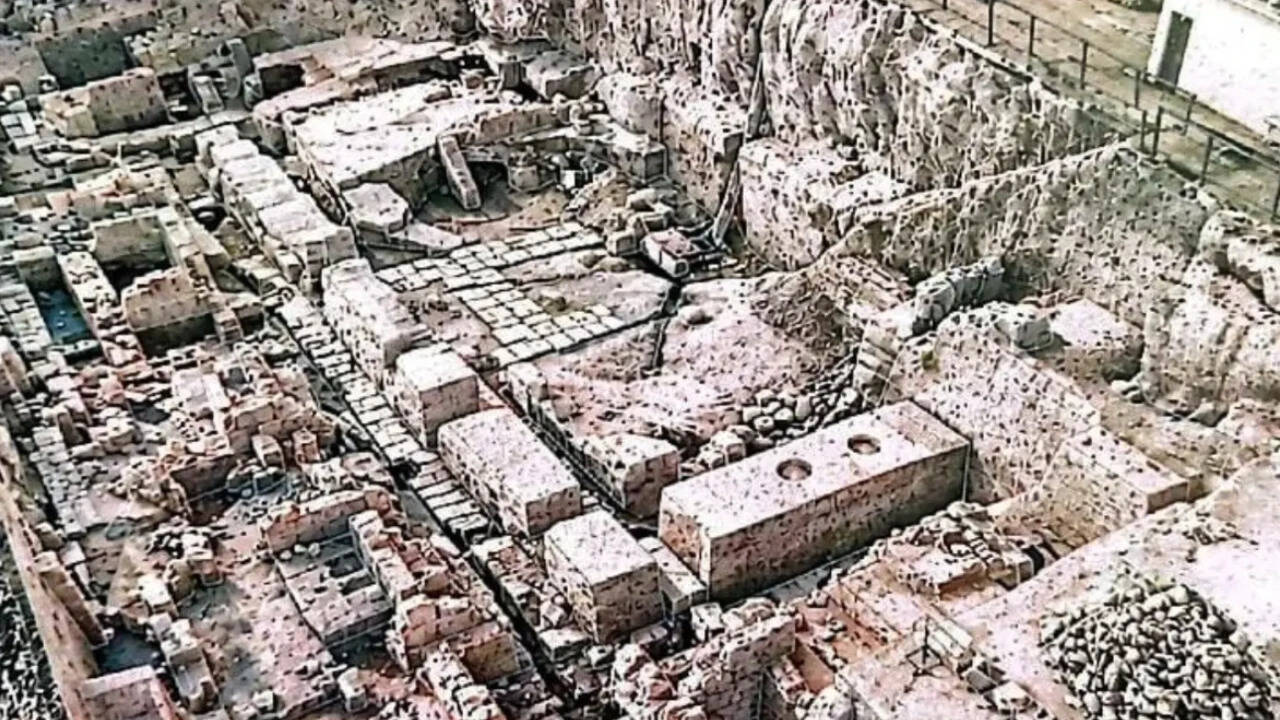
Archaeologists have unveiled an impressive limestone foundation in Alexandria that may belong to a royal tomb. The site, located in the ancient Royal Quarter, features a mysterious tunnel and a distinctive square structure. Experts believe this could be linked to Ptolemy IV Philopator and potentially serve a funerary purpose. A dedicated committee is examining the architectural details, while further excavations…
In brief
There is a light at the end of the tunnel, or so they say. Light, perhaps, but no one ever tells you that the tunnel itself could be buried deep beneath the ground, leading you not towards an exit, but towards history. In Alexandria, archaeologists have uncovered just such a passage, alongside massive limestone foundations that could hold clues to a long-lost Ptolemaic royal tomb.
This is the opening of the story, shared with credit to The Times of India — World. The rest of the report — with every detail — continues on the publisher’s website.
Continue reading at The Times of India — World ↗