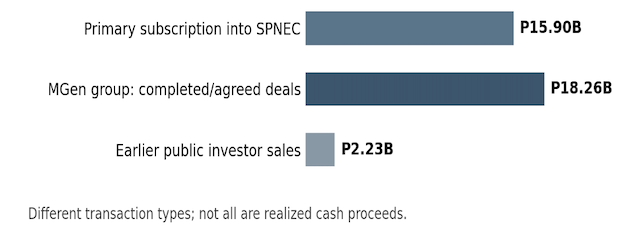
Behind Leandro Leviste’s entrepreneurial success lies a corporate strategy that converted government-awarded development opportunities into marketable equity, generated billions in financial transactions, and left substantial contractual obligations unresolved.
Leandro Leviste was undeniably innovative, though his commercial ingenuity extended well beyond the technology of generating solar power. His corporate strategy demonstrated how exclusive renewable-energy development rights granted by the government could acquire enormous financial value even before some of the projects underpinning them delivered electricity. (READ: Leviste solar companies passed around DOE deals as franchisee incurred losses)
Did the Filipino public receive economic benefits commensurate with the private wealth those state-granted opportunities helped create?
In the first installment, Vantage Point examined the Anti-Money Laundering Council’s (AMLC) allegations concerning Senator Loren Legarda, former Energy secretary Alfonso Cusi, and Leviste in the acquisition and retention of solar development rights.
We now trace what happened after those rights were secured: how corporate assets were consolidated, how shares were monetized, and how billions subsequently moved through Leviste’s personal accounts.
The corporate strategy centered on Solar Philippines Power Project Holdings Inc. (SPPPHI), Leviste’s principal investment vehicle. In February 2022, a reported asset-for-share swap involving interests in 20 solar project companies and associated assets (See list of these companies below this paragraph) was structured around roughly 24.37 billion shares of SP New Energy Corp.