

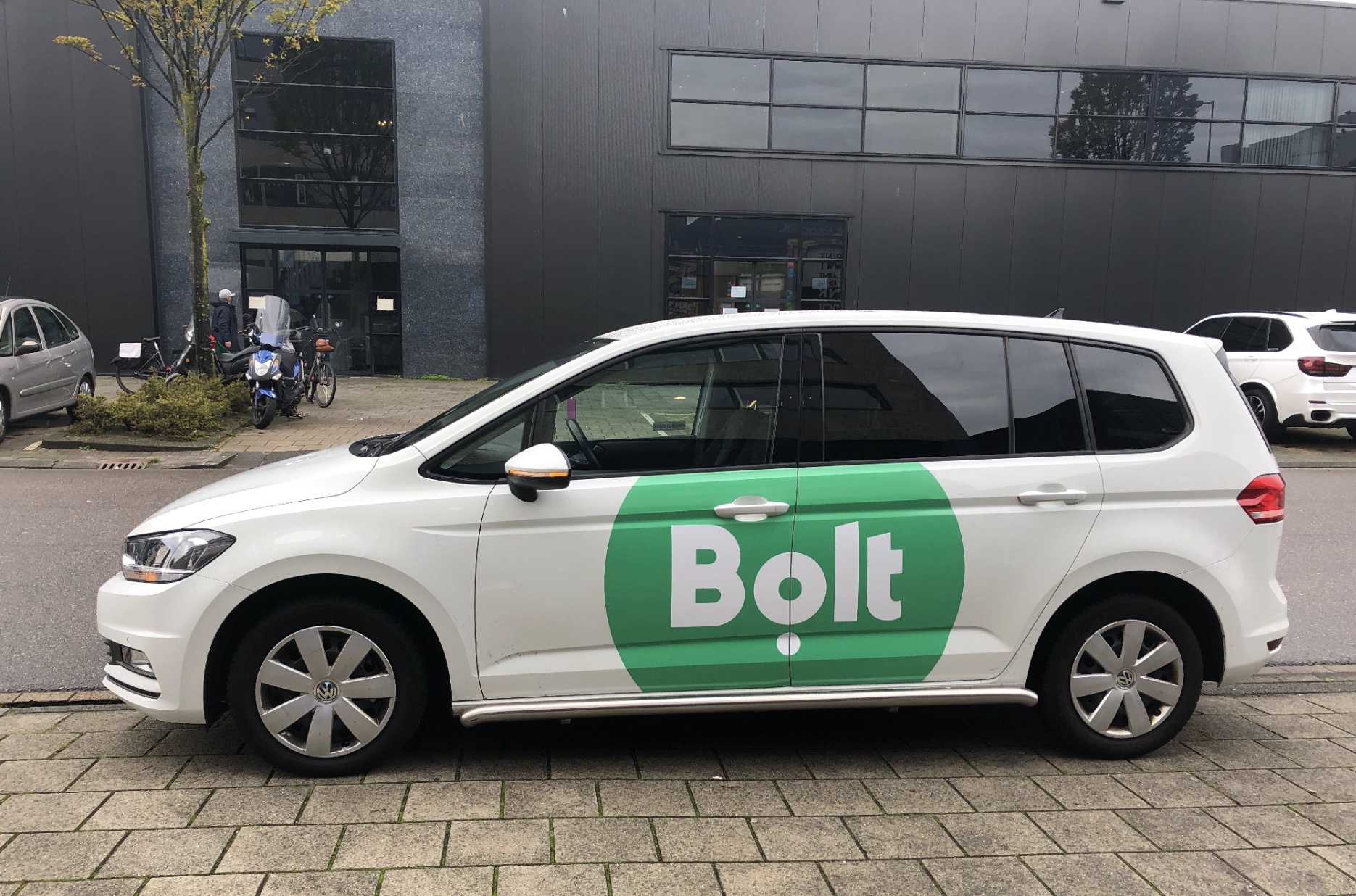
Bolt is expanding its African mobility business beyond passenger transport, bringing vehicle financing, electric mobility, delivery and retail services into a platform that began as a ride-hailing operation. The company's Nigerian business offers a view of how that strategy has developed over ten years, while its Kenyan operations show how some of the additional services are being deployed. The expansion comes as conventional ride-hailing faces difficult operating economics across African markets. Uber's September 2026 withdrawal from Nigeria, after 12 years in the country, removed one of Bolt's largest international competitors. However, the pressures affecting driver earnings, passenger affordability and platform operating costs remain central to the industry.
Bolt's reported investment of more than ₦140 billion ($102.4 million) in Nigeria covers technology, local operations, safety initiatives and engagement with drivers and passengers. Its Nigerian network now spans 31 cities, with the company reporting more than 14 million riders since its 2016 entry.
The company is also serving transport and commercial needs beyond conventional car-hailing, using partnerships and additional services to extend its presence across the mobility market. Bolt's business is expanding beyond passenger transport Bolt entered Nigeria in November 2016 as Taxify, competing against Uber, which had established operations in Lagos and Abuja two years earlier. Its initial pricing strategy helped attract both passengers and drivers.


