📰 Newspapers

Philippines renews nuclear push, 40 years after mothballing Bataan plant

Philippines renews nuclear push, 40 years after mothballing Bataan plant

Marcos government renews nuclear ambitions but safety, cost and the plant's future remain uncertain.

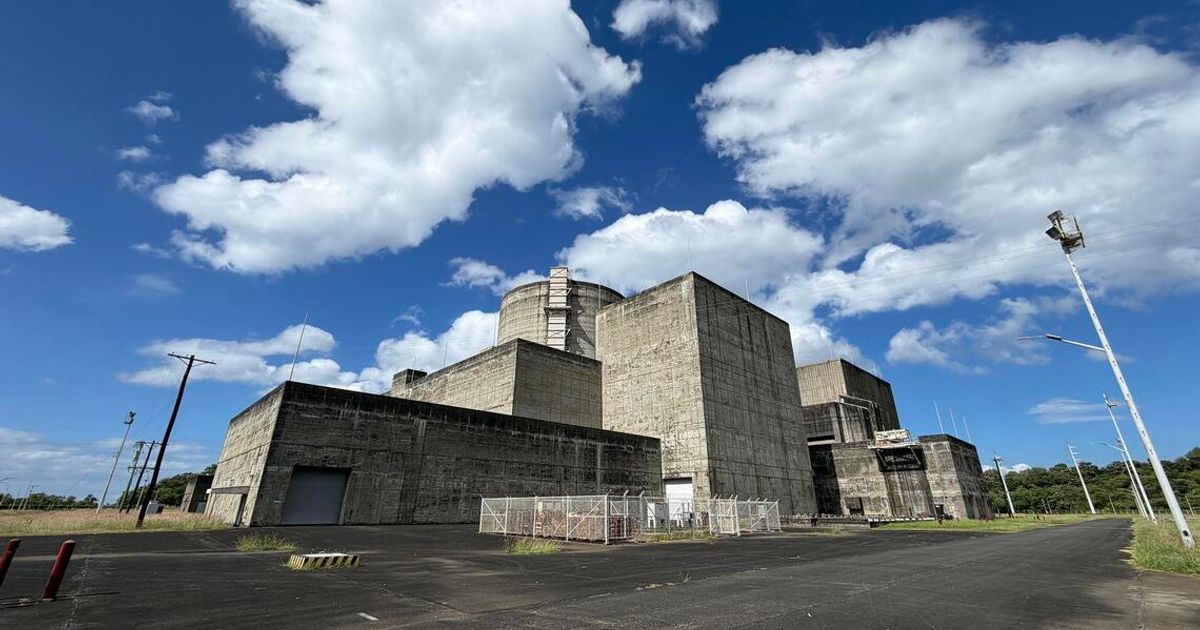
BATAAN, Philippines – Time seems to have stood still inside the Bataan Nuclear Power Plant (BNPP), where a vision of the Philippines’ energy future has lain dormant for four decades.

Some of the machinery remains wrapped in the plastic it came in, while much of the original paintwork remains intact. Elsewhere, rust has crept over metal stairways and cobwebs have gathered, marking the passage of time in a facility that has never generated electricity commercially.

In some parts of the plant, the lights are switched on only when visitors come through. Some original fittings have been replaced with energy-saving LED bulbs, a small concession to modernity in a facility that has otherwise remained largely unchanged since the 1980s.

Now, 40 years after the plant was mothballed, the Philippines is making one of its most concerted pushes yet for nuclear energy. The government is exploring foreign nuclear technologies, identifying potential sites and drawing up plans to award a nuclear power project by the end of 2027.

But the shadows of the past loom over President Ferdinand Marcos Jr’s renewed nuclear ambitions: the legacy of his father’s dictatorship, allegations of corruption that dogged the construction of the power plant, and longstanding safety concerns that have fuelled resistance to its revival.


In brief

BATAAN, Philippines – Time seems to have stood still inside the Bataan Nuclear Power Plant (BNPP), where a vision of the Philippines’ energy future has lain dormant for four decades. Now, 40 years after the plant was mothballed, the Philippines is making one of its most concerted pushes yet for nuclear energy. The government is exploring foreign nuclear technologies, identifying potential sites and drawing up plans to award a nuclear power project by the end of 2027.

This is the opening of the story, shared with credit to The Straits Times — Asia. The rest of the report — with every detail — continues on the publisher’s website.

Continue reading at The Straits Times — Asia ↗

Cookie settings

Choose which cookies we may use. You can change this at any time from Cookie settings in the footer. Details of each cookie are in the Cookie Policy.

Strictly necessary

Needed for sign-in, security, payments and remembering these choices. Always on.

Preferences

Remember settings such as dark mode.

Analytics & performance

Help us count visits, understand which pages, devices and countries our readers use, and measure how well the site performs – anonymous and aggregated.

Advertising & marketing

Lets advertising partners show and personalise adverts, measure impressions, clicks and visits, prevent ad fraud and pay us – this is how the free site is funded.

🔔 News notifications

Get headlines from NewsHub on this device — even when the site is closed.

You can switch this off at any time. Works on Android, Windows, Mac and Linux browsers; on iPhone/iPad add the site to your Home Screen first.