

Swiss scientists are trying to identify pandemic health threats faster — by expanding the data they get from sifting through our sewage.People shed traces of viruses when they use the bathroom, wash their hands, brush their teeth or take a shower. When that wastewater gets to treatment plants, scientists take small samples and test them for virus fragments.Wastewater surveillance has long been used to detect how polioviruses, drug-resistant bacteria and illegal drugs are circulating in a community, serving as an early warning system for public health authorities.During the COVID-19 pandemic, wastewater surveillance helped researchers identify which variants were spreading and when waves were at their peak, regardless of whether people had symptoms.In Switzerland, researchers now routinely track coronaviruses, influenza and respiratory syncytial virus (RSV) using wastewater samples from 10 treatment plants, covering 22% of the population. That’s down from around 100 plants during the COVID-19 pandemic.They use the data to warn hospitals about a coming uptick in illnesses, so they can decide about staffing, masking and other measures. By sequencing the virus fragments, researchers can also anticipate how severe Switzerland's flu season may be and identify how effective vaccines and monoclonal antibodies — which are used to prevent and treat certain infections, like RSV — are against a particular viral strain.“Sequences can tell us, are monoclonals or vaccines working well…
How sifting through sewage could help scientists spot the next pandemic
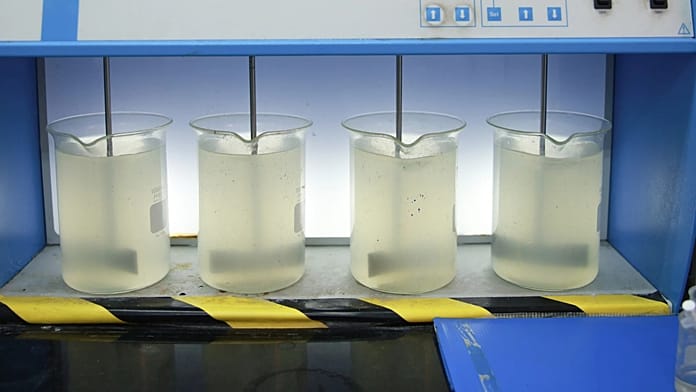
Swiss scientists already use wastewater testing to detect flu, COVID-19 and RSV. Next, they want to use it to flag unknown threats.
In brief
Swiss scientists are trying to identify pandemic health threats faster — by expanding the data they get from sifting through our sewage.People shed traces of viruses when they use the bathroom, wash their hands, brush their teeth or take a shower. By sequencing the virus fragments, researchers can also anticipate how severe Switzerland's flu season may be and identify how effective vaccines and monoclonal antibodies — which are used to prevent and treat certain infections, like RSV — are against a particular viral strain.“Sequences can tell us, are monoclonals or vaccines working well…
This is the opening of the story, shared with credit to Euronews. The rest of the report — with every detail — continues on the publisher’s website.
Continue reading at Euronews ↗