Want to bookmark your favourite articles and stories to read or reference later? Start your Independent Membership today.
Preliminary laboratory findings show that the controlled explosion of five tons of hazardous lead azide in southeastern Iowa has not increased heavy metal levels in local drinking water supplies, according to the U.S. Environmental Protection Agency.
The Saturday updates follow the release of initial environmental test results collected after the U.S. Army intentionally destroyed the deteriorating chemical stockpile.
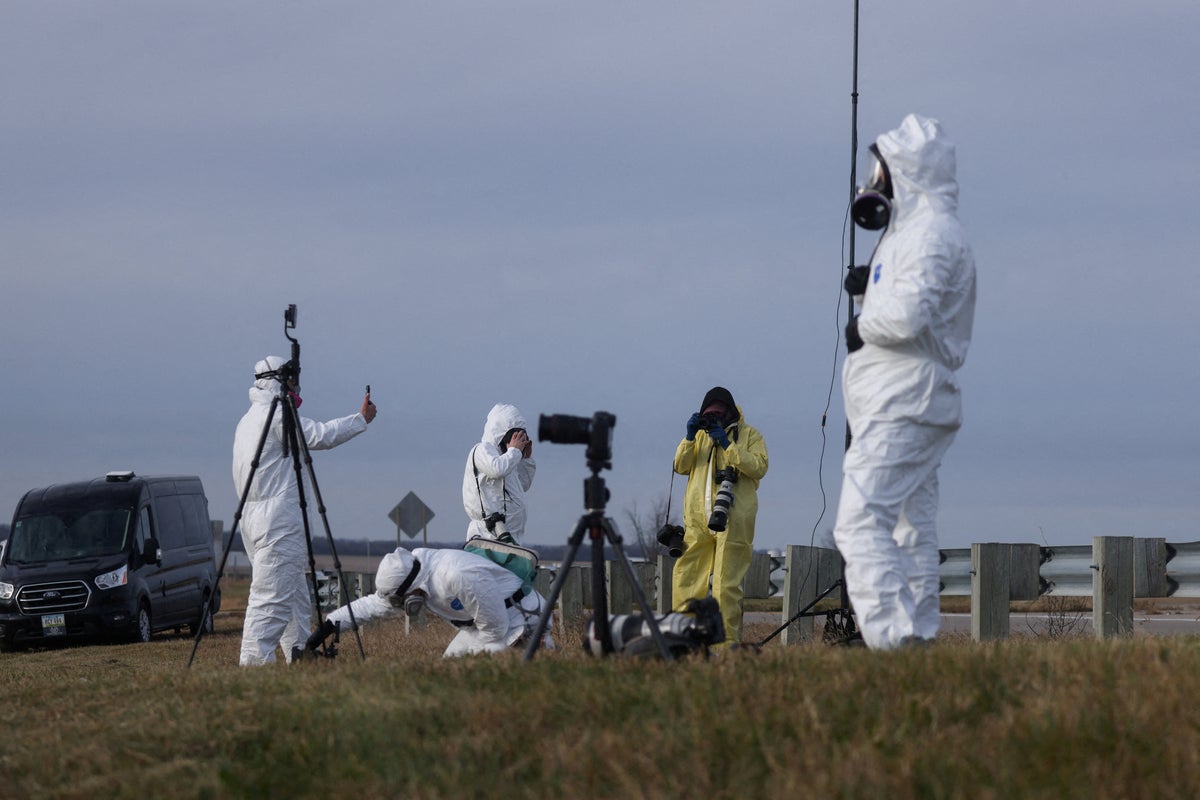
Approximately 300 personnel conducted field testing across the area on Thursday, collecting specimens from local schools, playgrounds, churches, and residential properties.
Before the blast, crews gathered over 1,500 baseline samples of air, water, soil, and dust, followed by hundreds of additional tests from parks, homes, and municipal water after the event.
"The EPA monitored for the presence of airborne lead for 30 consecutive hours after the controlled detonation using the Xact air monitoring systems. We will continue to provide updates in the coming days as new lab results for over 3,200 air, soil, dust and water samples … return and get validated," the EPA stated in a message published on X.
Exposure to lead, a toxic heavy metal, carries severe health risks, particularly for pregnant women and young children.
Military officials maintained that immediate destruction of the material was the safest course of action…