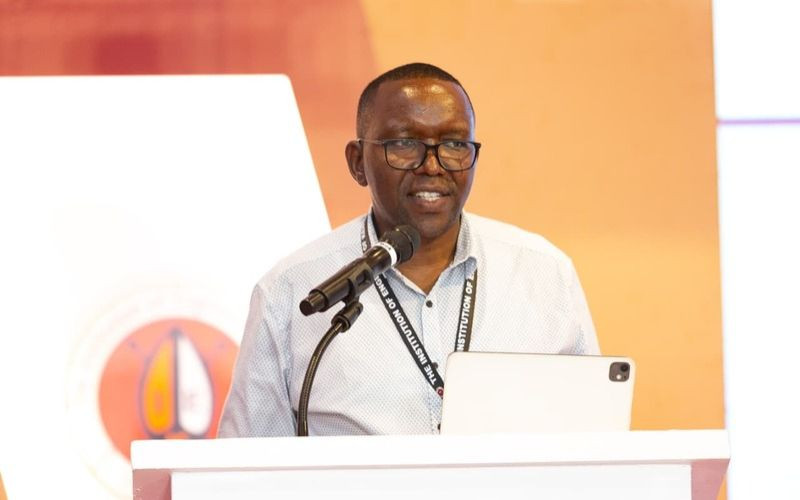
Kenya's ambition to diversify its energy sources and expand electricity generation has received backing from the engineering profession, with the Institution of Engineers of Kenya (IEK) calling for greater investment in nuclear power and energy storage technologies.
IEK President Eng. Harrison Keter said the country must embrace a balanced energy strategy that combines renewable sources, geothermal generation and emerging technologies such as nuclear power to meet future demand.
However, he cautioned that the growing integration of variable renewable energy sources, particularly solar and wind, must be accompanied by adequate battery storage systems to protect the stability of the national electricity grid.
Keter said discussions at the 33rd IEK International Convention in Mombasa had helped engineers understand the technical challenges associated with integrating different energy sources into the national grid.
He noted that while solar and wind energy were important to Kenya's low-carbon ambitions, their variable nature required appropriate storage infrastructure to ensure reliable electricity supply.
"Even as professional engineers say we have enough energy, we should not be worrying when we introduce variable renewable energies without considering adoption of battery energy storage. And we know this actually disrupts the performance of our grid so much," he said.
Keter urged engineers and energy-sector stakeholders to incorporate storage solutions into renewable energy project designs and procurement processes.