A Brooklyn man transferred a property he had bought for $1.275 million to his father for a stated $10 after a financial dispute resulted in a $454,429.90 award against him. A New York appeals court has now upheld a decision declaring the transfer null and void, finding that the transaction lacked fair consideration and bore several signs of an attempt to keep the property away from creditors.The Appellate Division, Second Department, ruled in favour of the claimants in SRW Equities, LLC v Nussen on November 25, 2026. It rejected an appeal by William Nussen, who received the property from his son, Michael Nussen, and upheld the earlier judgment cancelling the transfer. The court found that the deed recorded consideration of just $10 and that no transfer tax had been paid. William also failed to establish that the property had been transferred in exchange for an alleged earlier debt of $475,000. The judges said the evidence did not raise a genuine dispute that could prevent the property transfer from being set aside.Dispute began over unpaid rent and loansThe case arose from a financial disagreement between Michael Nussen and the plaintiffs, SRW Equities, LLC, and others. The parties agreed to take their dispute, which involved unpaid rent and loans, to a rabbinical court for arbitration.
Brooklyn man’s $1.275m property transfer to father for $10 voided by court
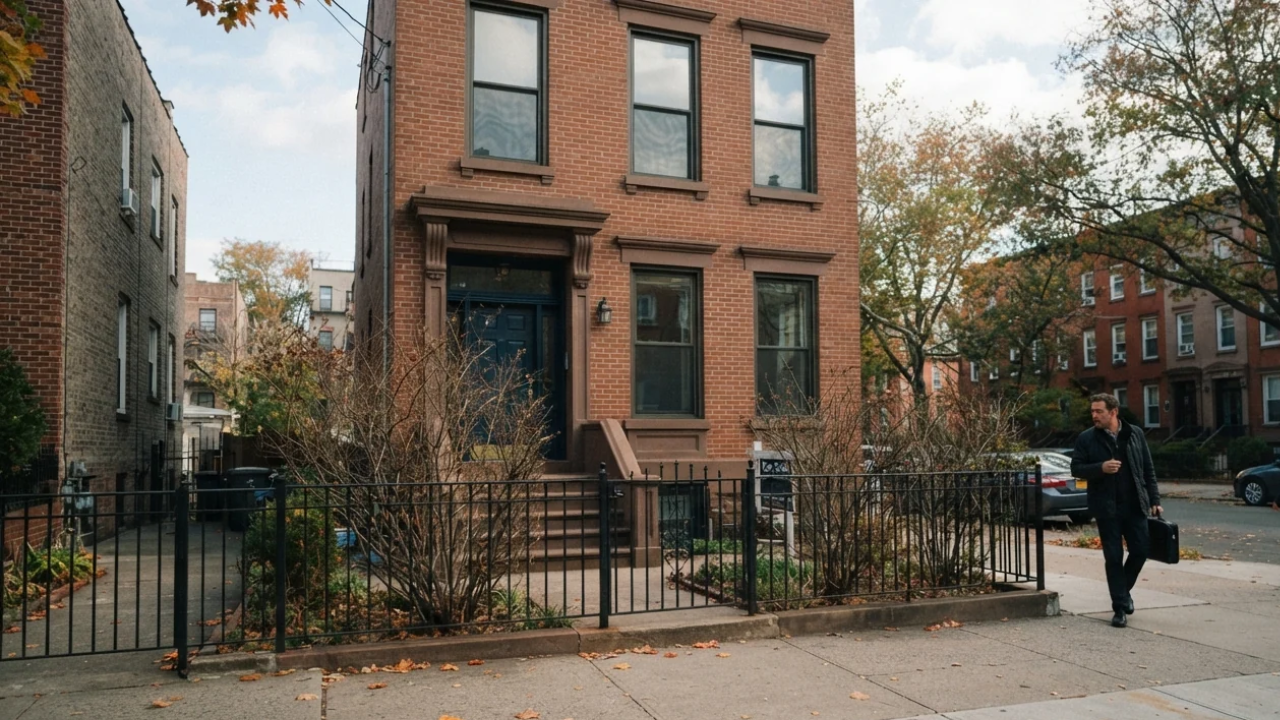
Michael Nussen transferred his Brooklyn property to William Nussen for $10 following a financial dispute. This led to a significant court ruling regarding the fraudulent nature of the transfer. The court found no fair consideration in the property conveyance amid claims against Michael for unpaid rent and loans. Evidence indicated the transfer aimed to hinder creditor collection, raising serious concerns.
In brief
A Brooklyn man transferred a property he had bought for $1.275 million to his father for a stated $10 after a financial dispute resulted in a $454,429.90 award against him. It rejected an appeal by William Nussen, who received the property from his son, Michael Nussen, and upheld the earlier judgment cancelling the transfer. The parties agreed to take their dispute, which involved unpaid rent and loans, to a rabbinical court for arbitration.
This is the opening of the story, shared with credit to The Times of India — World. The rest of the report — with every detail — continues on the publisher’s website.
Continue reading at The Times of India — World ↗