📰 Newspapers

Kurds in the Middle East: Does 2026 mark the end of all political hopes?

Kurds in the Middle East: Does 2026 mark the end of all political hopes?

2026 has been a year of political setbacks for the Kurds in their traditional areas of residence. Even in Iraq, they are now facing increasing pressure.

The year 2026 has been a difficult one for Kurds. In Syria, the de facto Kurdish system of self-rule which had emerged in 2012 during the Syrian civil war came to an end.

In Iraq, infighting among the leading Kurdish parties continues as the central government in Baghdad increases pressure on the semi-autonomous region.

In Turkey, efforts are underway to end the decades-long conflict with the Kurdistan Workers' Party (PKK), which announced its decision to dissolve last year. However, the disarmament process remains incomplete and the group is still classified as a terrorist organization by Turkey, the United States and the European Union, among others.

Other aspects such as greater cultural recognition and political rights as a minority remain unresolved.

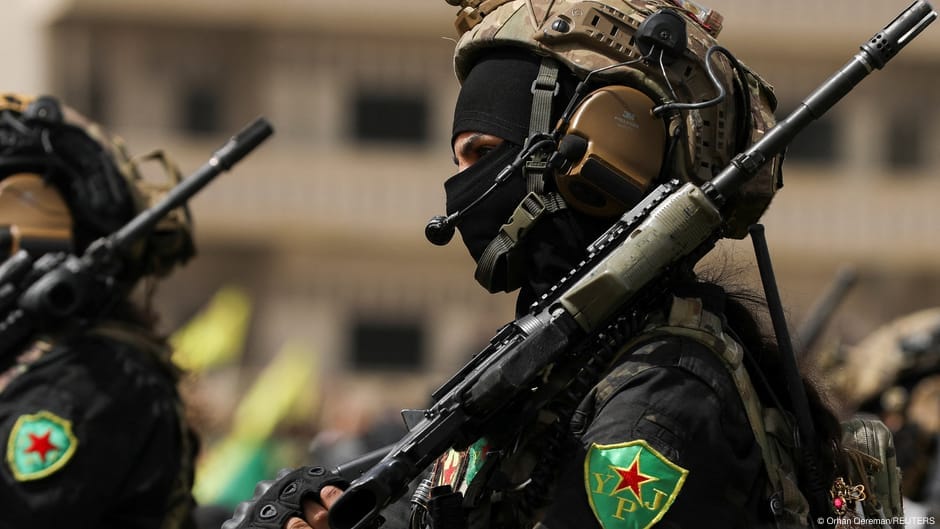
For the Kurds in Syria in particular, this year brought a major setback. In January, the new leadership in Damascus brought large parts of the northeast under its control. An agreement dated January 18 stipulated that the Kurdish-dominated Syrian Democratic Forces (SDF) would hand over territories and key infrastructure to the central government. Their fighters were to be integrated into the Syrian armed forces. This marked the end of self-governance as an independent political and military project.

The US, which had supported the SDF for years as an ally in the fight against the so-called Islamic State group, began aligning…


In brief

The year 2026 has been a difficult one for Kurds. In Iraq, infighting among the leading Kurdish parties continues as the central government in Baghdad increases pressure on the semi-autonomous region. Other aspects such as greater cultural recognition and political rights as a minority remain unresolved. For the Kurds in Syria in particular, this year brought a major setback.

This is the opening of the story, shared with credit to DW — Top stories. The rest of the report — with every detail — continues on the publisher’s website.

Continue reading at DW — Top stories ↗

Cookie settings

Choose which cookies we may use. You can change this at any time from Cookie settings in the footer. Details of each cookie are in the Cookie Policy.

Strictly necessary

Needed for sign-in, security, payments and remembering these choices. Always on.

Preferences

Remember settings such as dark mode.

Analytics & performance

Help us count visits, understand which pages, devices and countries our readers use, and measure how well the site performs – anonymous and aggregated.

Advertising & marketing

Lets advertising partners show and personalise adverts, measure impressions, clicks and visits, prevent ad fraud and pay us – this is how the free site is funded.

🔔 News notifications

Get headlines from NewsHub on this device — even when the site is closed.

You can switch this off at any time. Works on Android, Windows, Mac and Linux browsers; on iPhone/iPad add the site to your Home Screen first.