This is a category of products where you often get what you pay for.
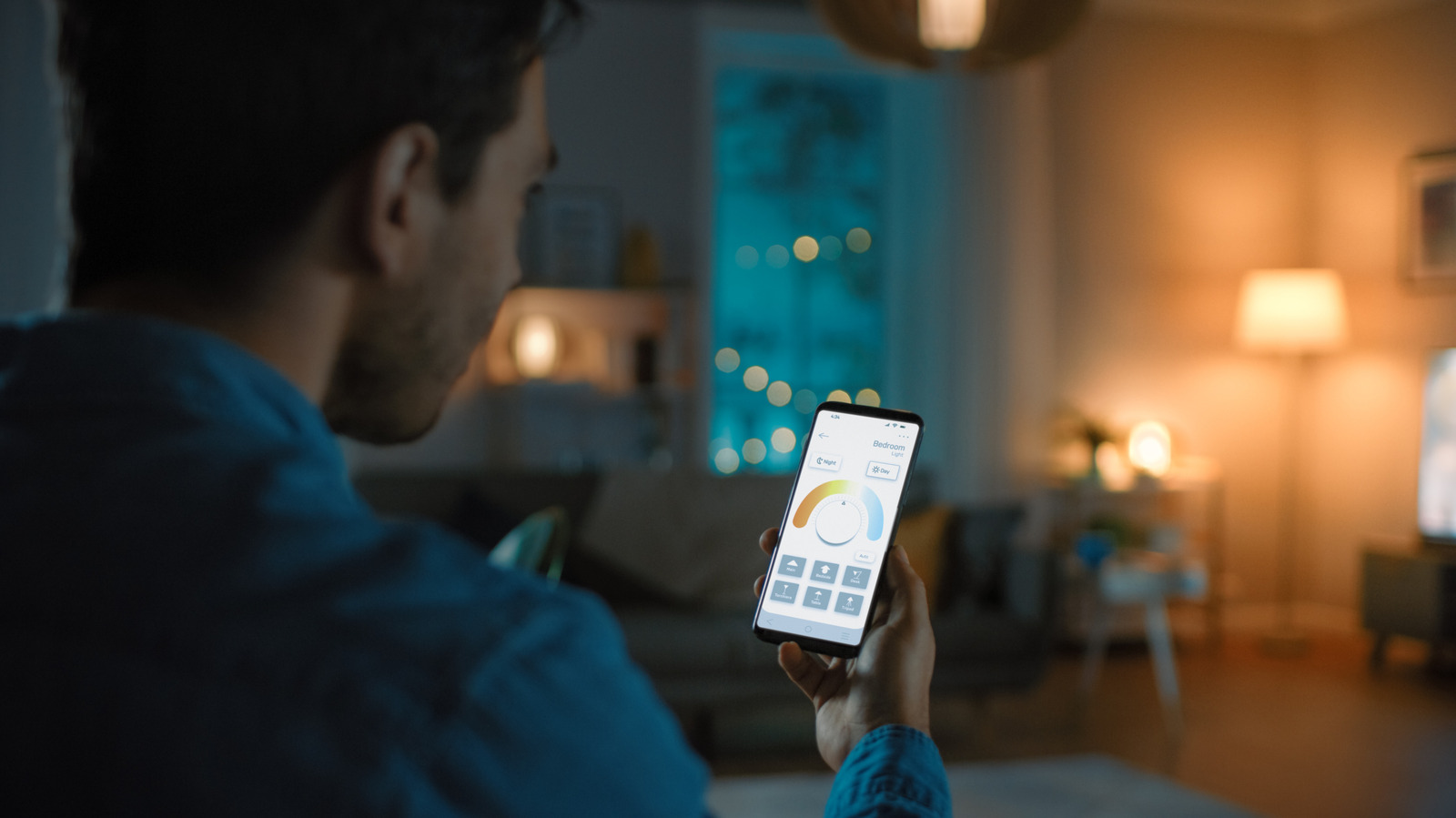
When they're firing on all cylinders, smart home devices can be some of the best investments you'll ever make. Smart thermostats, for example, can legitimately save you money while keeping you comfortable. Light bulbs and lamps, meanwhile, can dramatically alter the mood of a space and even improve home security by simulating your presence while you're away.
The catch, of course, is that outfitting a home can get expensive in a hurry, at least if you want the better products out there. Philips Hue, for example, normally charges upward of $140 for a starter kit with just three or four bulbs, and the best smart locks (from brands like Yale and Level) can cost twice as much, if not more. Fully upgrading a home might cost thousands of dollars.
There are cheap options out there that can get the job done. But you need to exercise caution when shopping, because a mistake could actually cost you more in the long run in the form of replacement gear, ongoing subscriptions or simply unwanted hassle.
The most common issue is compromised functionality. Many cheap bulbs, for example, rely on 2.4GHz Wi-Fi instead of hub-based wireless standards like Thread and Zigbee.