
For one mother of three, leaving an abusive relationship meant having to build her life again - and finding people who understood why that could take time.“People think you just snap out of it, and that's not true,” she told a WIZO conference in Tel Aviv on Tuesday. “I was looking for a sense of belonging.”She was among three women who spoke about rebuilding their lives through Tzomchot Yachad, Hebrew for “Growing Together,” a WIZO program that supports women and their children after leaving abusive relationships or shelters. Their accounts focused on what comes after the immediate escape: managing daily life, helping children feel secure, and finding people who notice whether you are there.The conference, held ahead of the International Day for the Elimination of Violence against Women on November 25, examined prevention, protection and rehabilitation. For the women on the panel, recovery meant more than physical separation from an abusive partner.“I found women who went through similar situations. I found a community,” the mother of three said. “People waited to see me and wanted to take care of me.”Loneliness was 'hardest thing' about leaving shelter, mother of two saysAnother participant, a mother of two, described leaving a shelter with her children and confronting a different kind of difficulty.“The hardest thing was the loneliness when we got out,” she said.She…
‘People think you just snap out of it’: Women describe rebuilding life after abuse
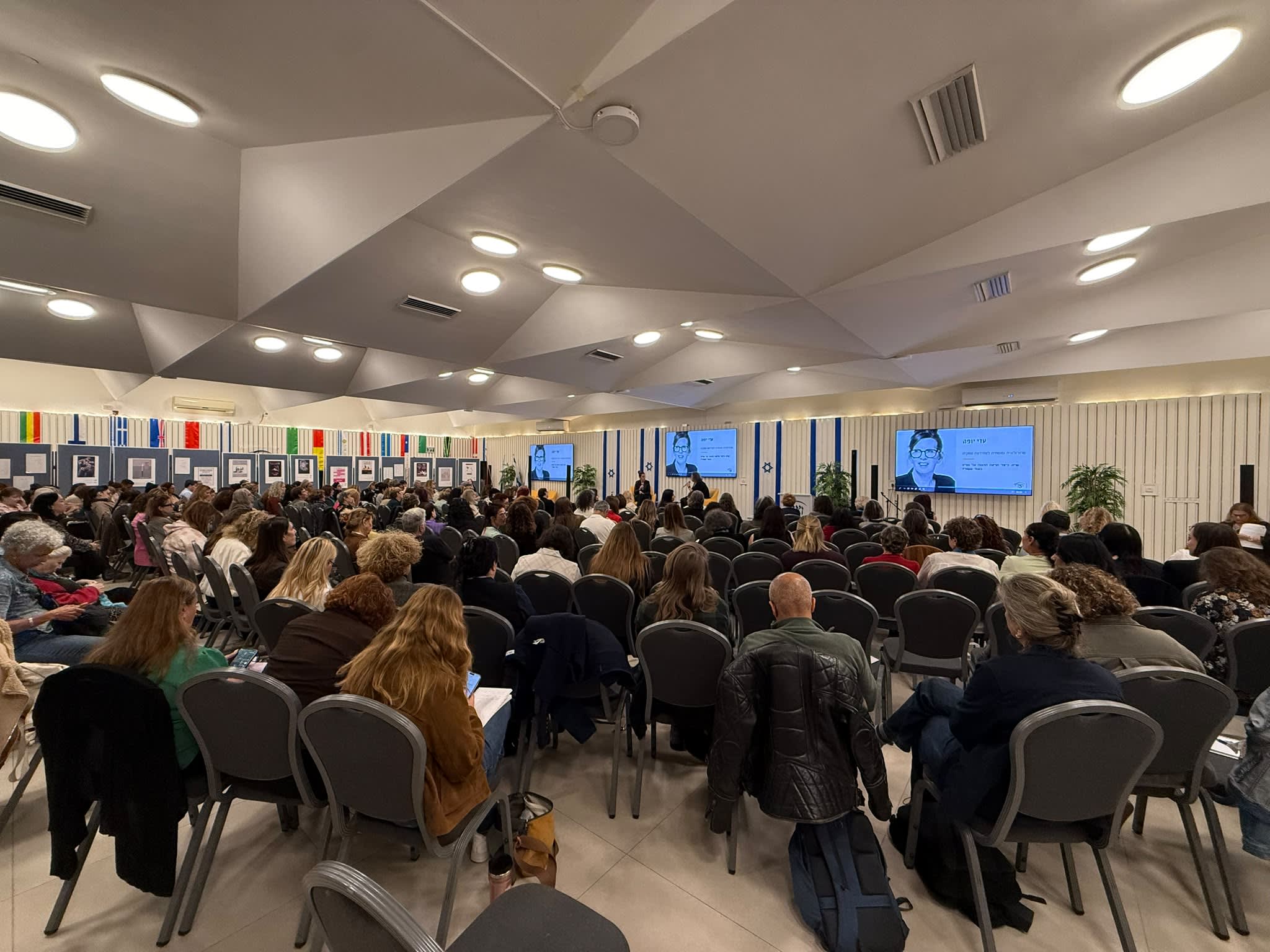
Ahead of International Day for the Elimination of Violence against Women, survivors and professionals at the WIZO conference explore the support women and children need to rebuild their lives.
In brief
For one mother of three, leaving an abusive relationship meant having to build her life again - and finding people who understood why that could take time.“People think you just snap out of it, and that's not true,” she told a WIZO conference in Tel Aviv on Tuesday. For the women on the panel, recovery meant more than physical separation from an abusive partner.“I found women who went through similar situations.
This is the opening of the story, shared with credit to The Jerusalem Post. The rest of the report — with every detail — continues on the publisher’s website.
Continue reading at The Jerusalem Post ↗