A Tennessee family has regained access to a shared driveway after a neighbour built a fence through it, blocking their use of part of the driveway. However, their separate lawsuit against the city that approved the fence permit has ended in a defeat, with a federal judge ruling that issuing the permit did not amount to a government taking of their property.According to the ruling, Mark McDonald, Nanette McDonald and their daughter Madeleine McDonald own a property in the City of Oak Hill in Davidson County, Tennessee. Their daughter lives in the house, which was built in 1965. The neighbouring property belonged to Mary Rust, whose house was built in the 1950s.Both properties had used a common driveway since the houses were built. The arrangement was based on reciprocal easements, which allowed the owners of each property to use the portion of the driveway located on the neighbouring land.The dispute began after Rust sought to make improvements to her property. According to the family's complaint, she learnt that the city's rules for calculating plot sizes excluded land covered by an easement. This meant she could not make certain improvements while the driveway easement remained in place.Rust asked the McDonalds to sign an agreement ending the easement, but they refused.
Tennessee family wins driveway access but loses lawsuit against city over fence permit
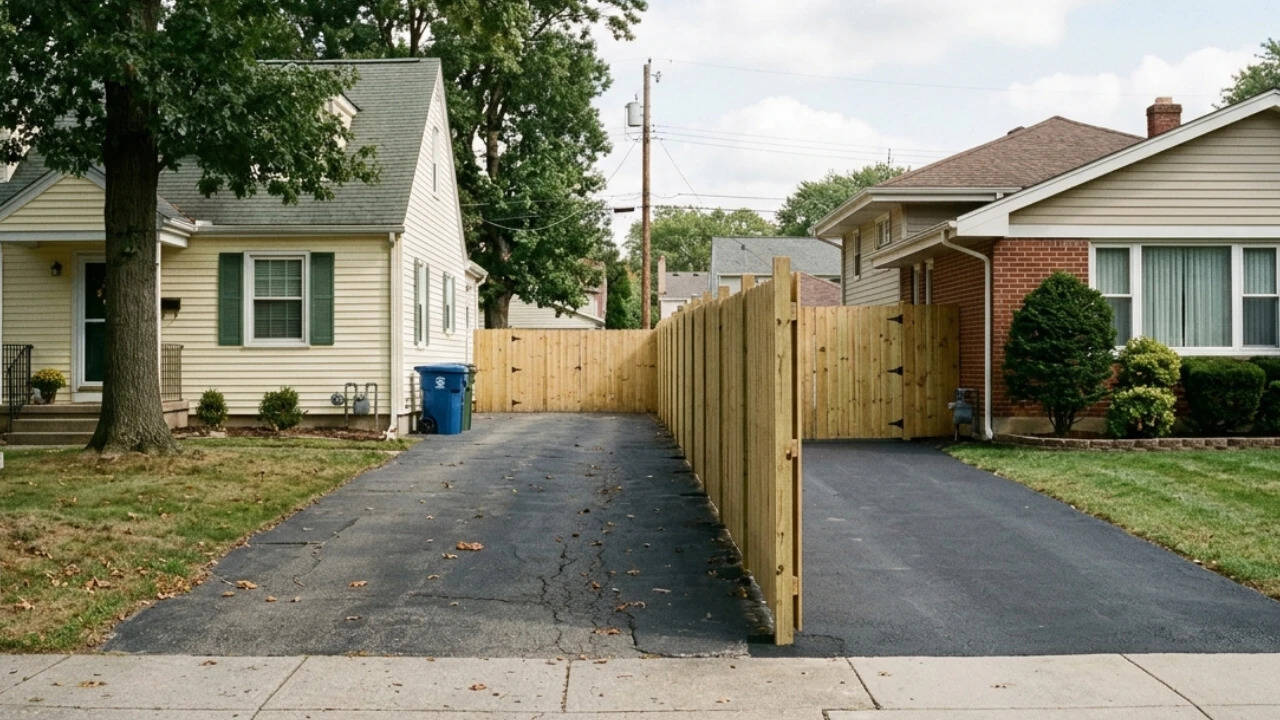
A Tennessee family regained access to a shared driveway after a neighbour built a fence through it. A state court later confirmed the family's easement and ordered the fence removed. However, a federal judge dismissed their separate lawsuit against the city, ruling that issuing the building permit did not amount to a government taking.
In brief
A Tennessee family has regained access to a shared driveway after a neighbour built a fence through it, blocking their use of part of the driveway. The neighbouring property belonged to Mary Rust, whose house was built in the 1950s.Both properties had used a common driveway since the houses were built. This meant she could not make certain improvements while the driveway easement remained in place.Rust asked the McDonalds to sign an agreement ending the easement, but they refused.
This is the opening of the story, shared with credit to The Times of India — World. The rest of the report — with every detail — continues on the publisher’s website.
Continue reading at The Times of India — World ↗