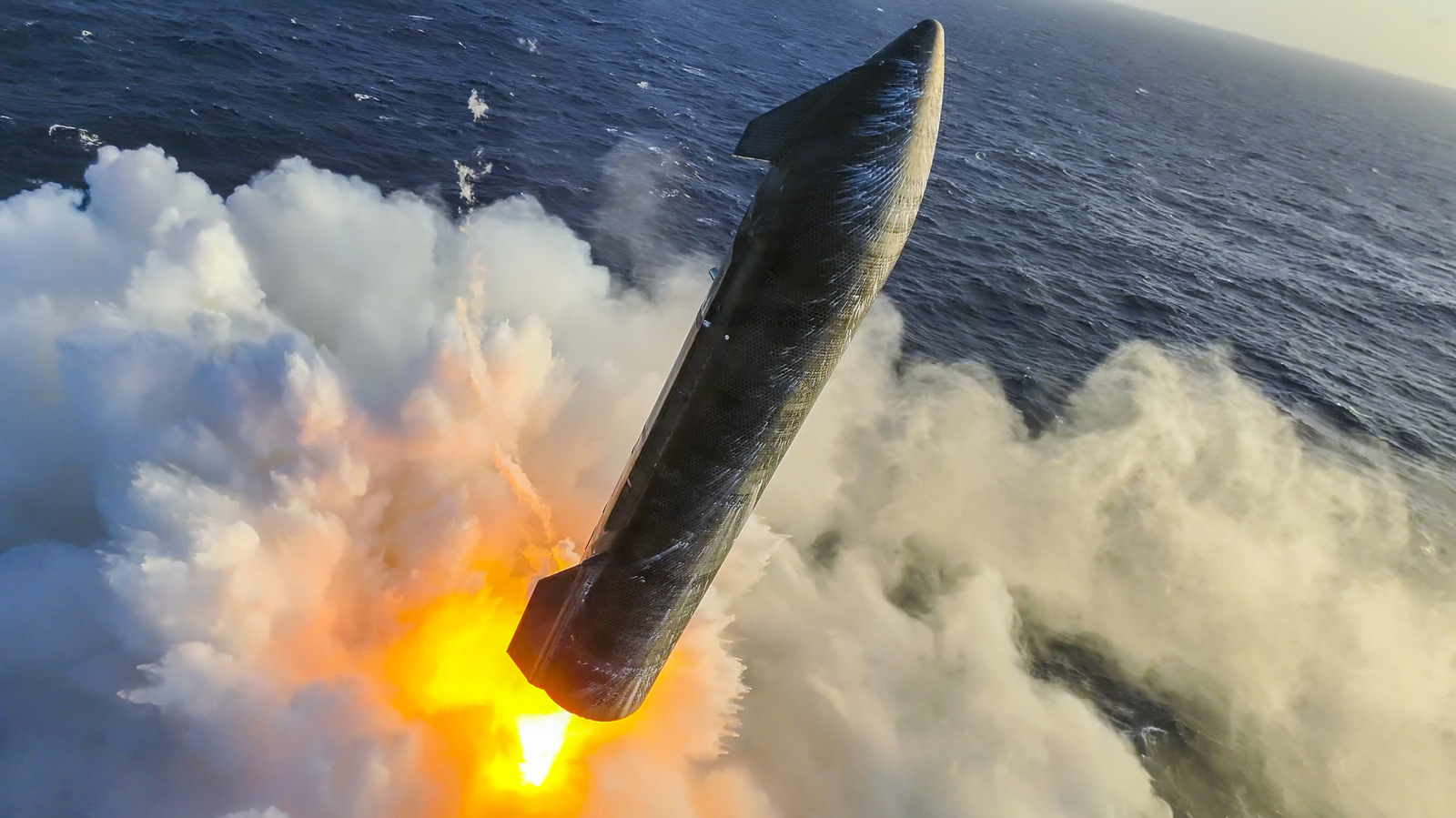
In late September 2026, SpaceX's Starship entered orbit for the first time, deploying 26 Starlink satellites in what was heralded as a major step for SpaceX's cosmic ambitions. However, the celebration was cut short when a failed engine forced the mission to end shortly after reaching orbit. The malfunction prevented the intended six-revolution trek through Earth's orbit, falling well short of its 10-hour goal.
This result is typical for Starship, as the company's "fail fast, learn fast" mindset recasts the program's failures — anywhere between four and 11 of 14 total launches, depending on how generous you are — as opportunities for growth. This has been true since its first test flight in April 2023, which exploded 65 miles short of its intended climb into Earth's atmosphere. As Musk tweeted after the fiery test, "Congrats @SpaceX team on an exciting test launch of Starship! Learned a lot for next test launch."
Given SpaceX's success to date, it is hard to argue with the company's logic. According to analytics firm BryceTech, SpaceX launched 85 percent of all spacecraft in 2025, including over half the world's orbital launches. To boot, Starlink's 9,800 active satellites currently account for over half of the world's total, according to satellite tracker Orbital Radar.