CAIRO: When sudden floods inundate Bangkok’s streets, Panupong Wattanasereekul sees more than traffic gridlock.
For him, they are evidence of a new and increasingly dangerous normal: extreme weather that overwhelms cities, disrupts lives and exposes weaknesses in infrastructure that governments have long failed to address.
“Climate change is no longer a distant theoretical concept, it’s a harsh reality knocking on our doors,” Wattanasereekul told Arab News.
“We are caught in a cycle of reacting to severe weather rather than preventing it.”
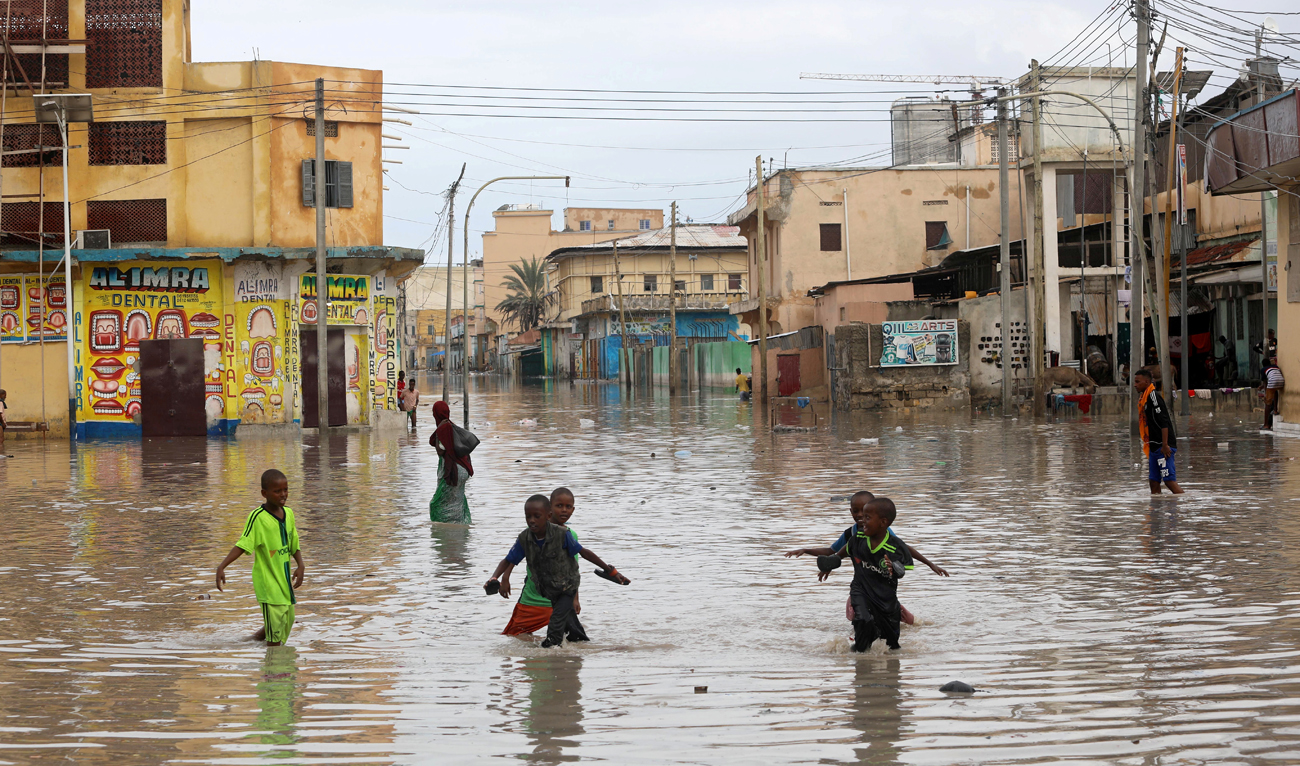
More than 6 million people have been affected by flooding in Thailand, according to reports. But the country’s experience is far from unique.
From southern Africa to small island states, developing countries are confronting climate shocks with limited resources, growing debt and shrinking international support.
A report issued this month by the World Meteorological Organization said that 2026 continued a prolonged streak of exceptional global temperatures, melting ice and rising sea levels.
It also warned that a very strong El Nino — the naturally occurring climate pattern characterized by warmer than average sea surface temperatures in the central and eastern tropical Pacific — was expected to unleash further heat and extreme weather well into next year.
The US Climate Prediction Center is expected to officially upgrade the phenomenon. It said that El Nino would reach “super”