Archaeologists Uncovered a 2,300-Year-Old Tomb in Italy. It May Have Belonged to an Ancient Cult Priestess

Archaeologists Uncovered a 2,300-Year-Old Tomb in Italy. It May Have Belonged to an Ancient Cult Priestess

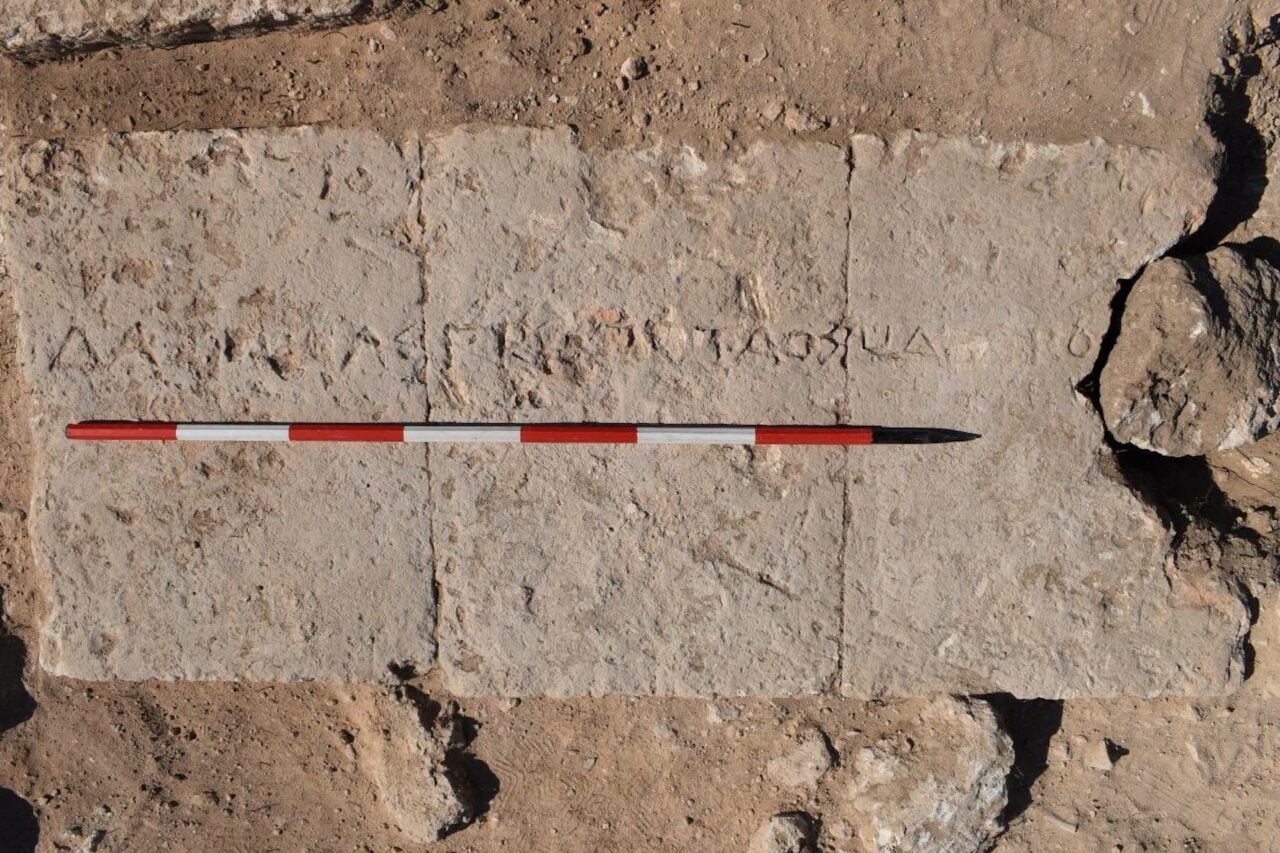
Local officials report that archaeologists in southern Italy have identified “Tomb 17” in the ruins of ancient Manduria as the final resting place of a priestess tied to the cult of Demeter.

To put it mildly, the sheep-herding, pre-Roman tribes of southeastern Italy, sometimes known as the Iapygians, did not always get along with the ancient Greeks then establishing colonies alongside them at the heel of Italy’s boot-shaped peninsula. These Indo-European peoples, for example, managed to kill Archidamus III, the king of Sparta, in 338 BCE—after the ruler touched ground with a fleet and mercenary army hellbent on defending the ancient Greek colony of Tarentum.

But archaeologists have now discovered a tomb in what was once the ancient city of Manduria, home to the Iapygian tribe known as the Messapians, that very much complicates these centuries of hostility between the Greeks and Italy’s more established residents. Researchers with the region’s superintendent of archaeology, fine arts, and landscape announced that they have uncovered a tomb within the ruins of Manduria that apparently belonged to a local priestess who worshipped Demeter (“Demetra” in Italian), an ancient Greek goddess of the harvest.

Someone, in other words, was worshiping an Olympian deity—one with cultural ties to health, agriculture, and the underworld—around the same time and in the same city where Archidamus III was ultimately defeated and killed.

“The first epigraphical and iconographic interpretations suggest that the burial may have belonged to a female figure holding important priestly functions related to the cult of Demetra,”

In brief

To put it mildly, the sheep-herding, pre-Roman tribes of southeastern Italy, sometimes known as the Iapygians, did not always get along with the ancient Greeks then establishing colonies alongside them at the heel of Italy’s boot-shaped peninsula. Researchers with the region’s superintendent of archaeology, fine arts, and landscape announced that they have uncovered a tomb within the ruins of Manduria that apparently belonged to a local priestess who worshipped Demeter (“Demetra” in Italian), an ancient Greek goddess of the harvest.

This is the opening of the story, shared with credit to Gizmodo. The rest of the report — with every detail — continues on the publisher’s website.

Continue reading at Gizmodo ↗

Cookie settings

Choose which cookies we may use. You can change this at any time from Cookie settings in the footer. Details of each cookie are in the Cookie Policy.

Strictly necessary

Needed for sign-in, security, payments and remembering these choices. Always on.

Preferences

Remember settings such as dark mode.

Analytics & performance

Help us count visits, understand which pages, devices and countries our readers use, and measure how well the site performs – anonymous and aggregated.

Advertising & marketing

Lets advertising partners show and personalise adverts, measure impressions, clicks and visits, prevent ad fraud and pay us – this is how the free site is funded.

🔔 News notifications

Get headlines from NewsHub on this device — even when the site is closed.

You can switch this off at any time. Works on Android, Windows, Mac and Linux browsers; on iPhone/iPad add the site to your Home Screen first.