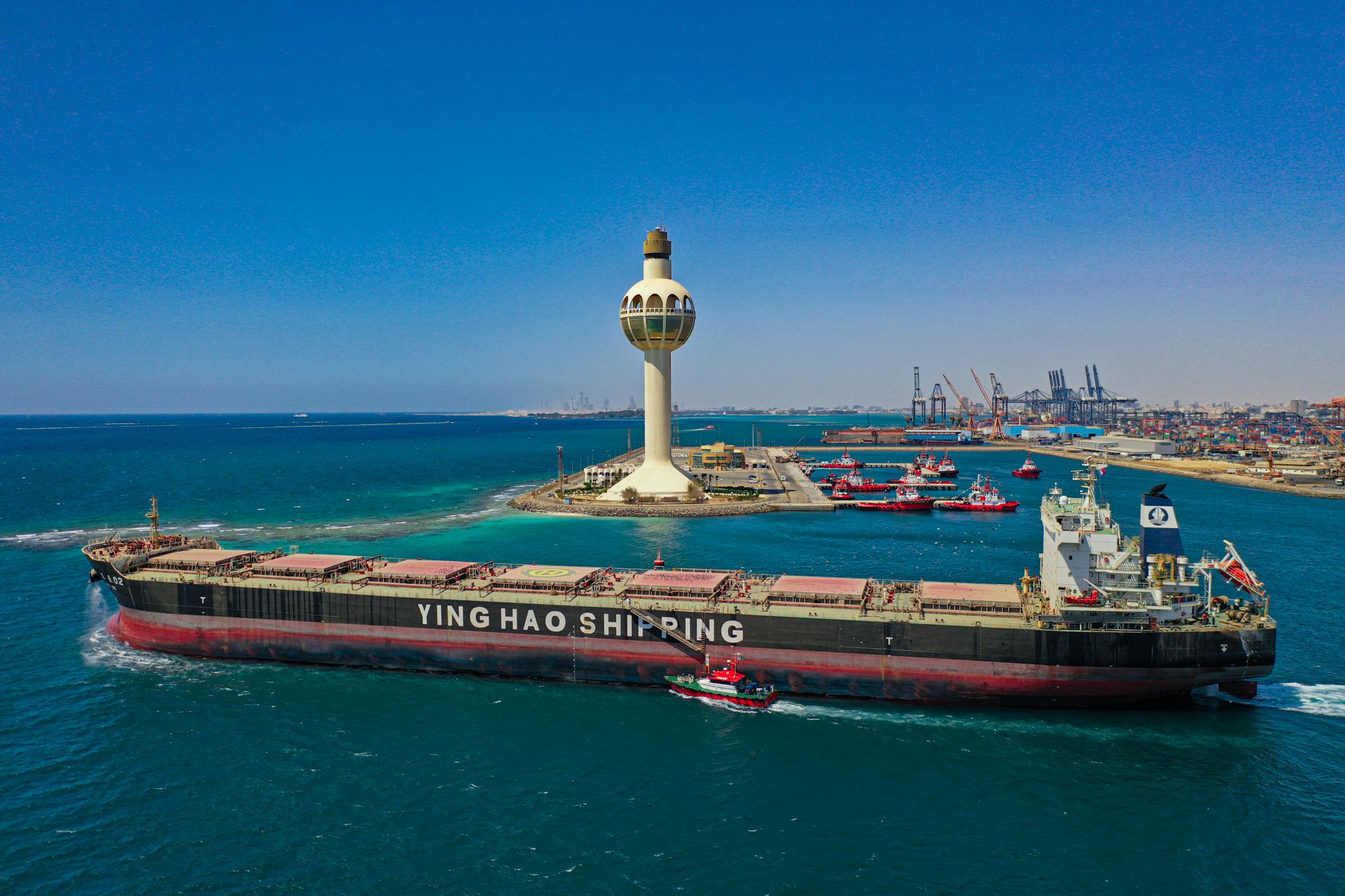
RIYADH: Artificial intelligence is finding its way into port operations, offering new ways to manage vessel traffic, allocate resources and prevent congestion as shipping volumes rise.
When several ships arrive simultaneously, pressure builds across the port. Vessels wait offshore for available berths, cranes face competing demands, containers accumulate in storage yards and trucks queue at terminal gates. Delays in one area can quickly disrupt the entire operation, affecting the wider supply chain.
According to UN Trade and Development, disruptions are straining ports worldwide, resulting in congestion and longer waiting times. Saudi Arabia faces similar pressures as cargo volumes grow. Ports managed by the Saudi Ports Authority, known as Mawani, handled 8.3 million twenty-foot equivalent units in 2025, up 10.58 percent from 2024.
Shinkyu Park, an assistant professor of electrical and computer engineering at King Abdullah University of Science and Technology, told Arab News that from a planning and optimization perspective, “the biggest gains are likely in the interconnected decisions that planners make every day.”
These involve assigning ships to berths, determining docking sequences, allocating cranes and positioning containers for efficient retrieval. Planners must also anticipate actual vessel arrival times rather than rely on scheduled timetables.
“These tasks are difficult because they are what we call combinatorial optimization problems,” Park said.